
Decoding the Invite: Black Tie vs. White Tie vs. Formal (Cheat Sheet)
We all know the feeling. You go to the mailbox, and there it is. Heavy cardstock. Calligraphy that looks like it was penned by a royal scribe. You slide your finger under the seal, pull out the invitation, and your eyes scan past the date and time to the bottom right corner.
“Black Tie.”
Or worse, “White Tie.”
Or the most confusing of all: “Formal / Black Tie Optional.”
For the average attendee, this triggers a mild shopping trip. For the modest woman, this triggers a tactical crisis.
We know what lies ahead: A trip to the mall or hours of online scrolling, only to find that 95% of “formal gowns” are strapless, backless, feature thigh-high slits, or are essentially sheer netting with strategically placed sequins. The remaining 5% are often frumpy, ill-fitting, or look like costumes.
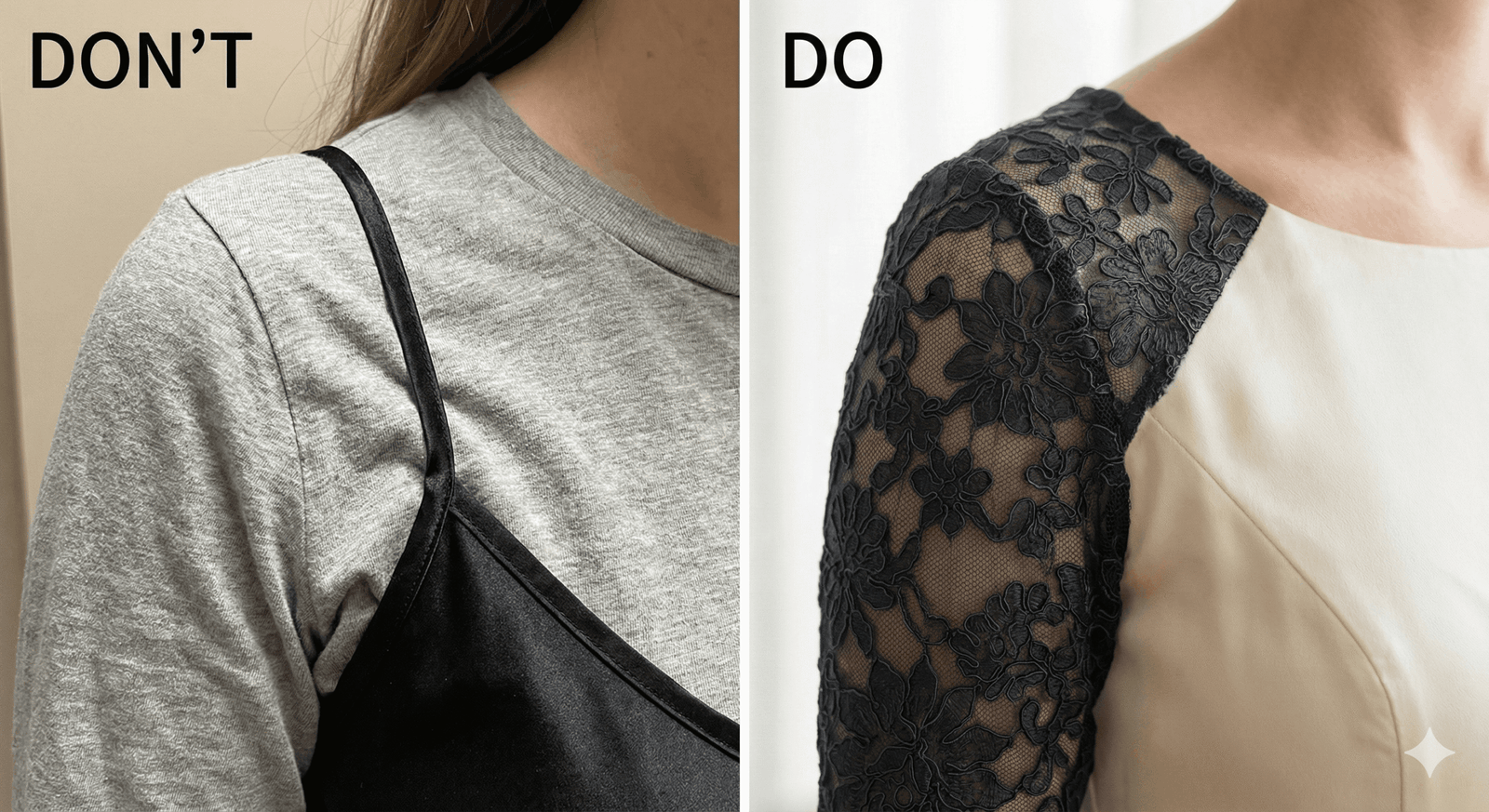
The anxiety isn’t just about finding a dress; it’s about the fear of getting it wrong. It’s the fear of walking into a ballroom and realizing you are the only one in a cotton maxi dress when everyone else is in silk. It’s the fear of looking like a bridesmaid. It’s the fear that your “layering solution” (that long-sleeve tee under the spaghetti strap gown) looks messy rather than chic.
Stop the panic.
We have decoded the hierarchy of formality specifically for the modest dresser. This is your “Cheat Sheet.” This is how you navigate the highest levels of society with the grace, elegance, and dignity that is the hallmark of Fashiorial style.
Part I: The Hierarchy of Formality (The Cheat Sheet)
Before we dive into the styling, you need to understand the language. Dress codes are not suggestions; they are instructions on how to show respect to the host.
Here is the “Fashiorial Protocol” for decoding the terminology:
- White Tie (The Royal Standard)
- The Vibe: State dinners, royal galas, the absolute pinnacle of society.
- The Modest Rule: Floor-length ball gowns are mandatory. Gloves are expected.
- Ranking: The Strict Boss.
- Black Tie (The Gold Standard)
- The Vibe: Major weddings, charity balls, evening awards ceremonies.
- The Modest Rule: Floor-length evening gowns are preferred. Extremely luxurious fabrics.
- Ranking: The Elegant Diplomat.
- Black Tie Optional / Formal (The Grey Zone)
- The Vibe: High-end weddings, sophisticated dinners.
- The Modest Rule: A floor-length gown is safe, but a very formal, embellished ankle-length dress is acceptable.
- Ranking: The Flexible Friend.
- Cocktail / Semi-Formal (The Party)
- The Vibe: Evening receptions, holiday parties.
- The Modest Rule: Midi length is perfect. Fabrics can be lighter but must still look expensive.
- Ranking: The Socialite.
Part II: The Deep Dive (Styling for Coverage & Class)
Let’s break down exactly what to wear for each code, avoiding the common pitfalls of modest dressing.
1. White Tie: The “Frozen in Time” Look
This is rare. If you are invited to a White Tie event, you are in a very exclusive room.
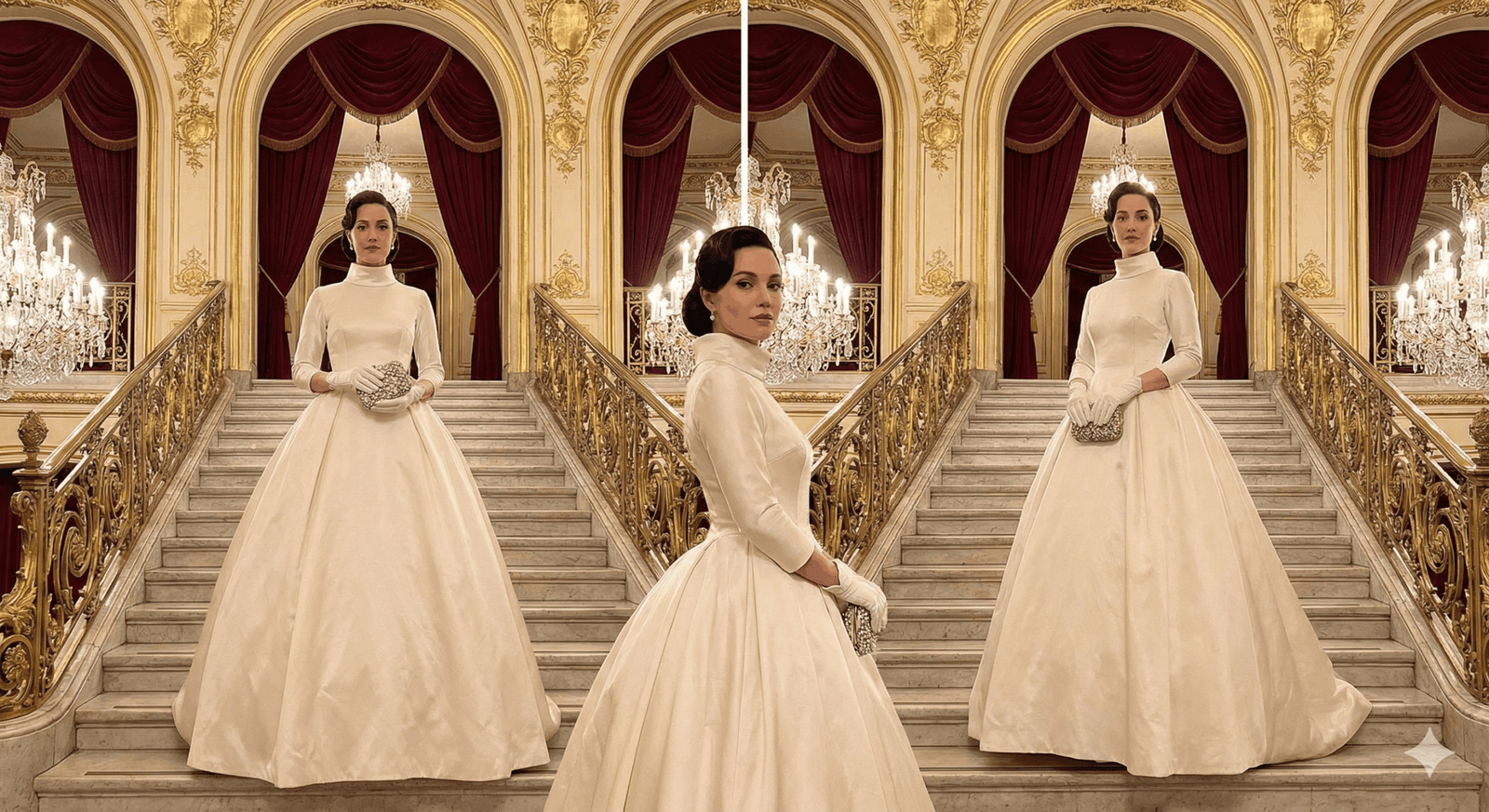
The Concept: White Tie is not about “fashion trends”; it is about tradition. The goal is to look like you stepped out of a period drama, but with modern polish.
- The Dress: It must be floor-length. Not ankle length. Not high-low. It should ideally have volume—think A-line or ball gown silhouettes. A slim column dress can work, but it must be incredibly grand (e.g., fully beaded).
- The Modest Advantage: Believe it or not, White Tie is the easiest code for modest dressers because high necks and long sleeves are considered more traditional and aristocratic than bare skin.
- Fabric: Velvet, heavy satin, brocade. Nothing flimsy.
- The “Fashiorial” Touch: Wear opera-length gloves (white or ivory) even if your sleeves are long. If you are wearing long sleeves, you can skip them, but carrying a pair of white kid-leather gloves adds an air of incredible sophistication.
- Hair: Strictly an up-do. No loose, beachy waves.
2. Black Tie: The Red Carpet Moment
This is the most common “scary” dress code. It essentially means: “Gentlemen are in Tuxedos, so you must match that energy.”
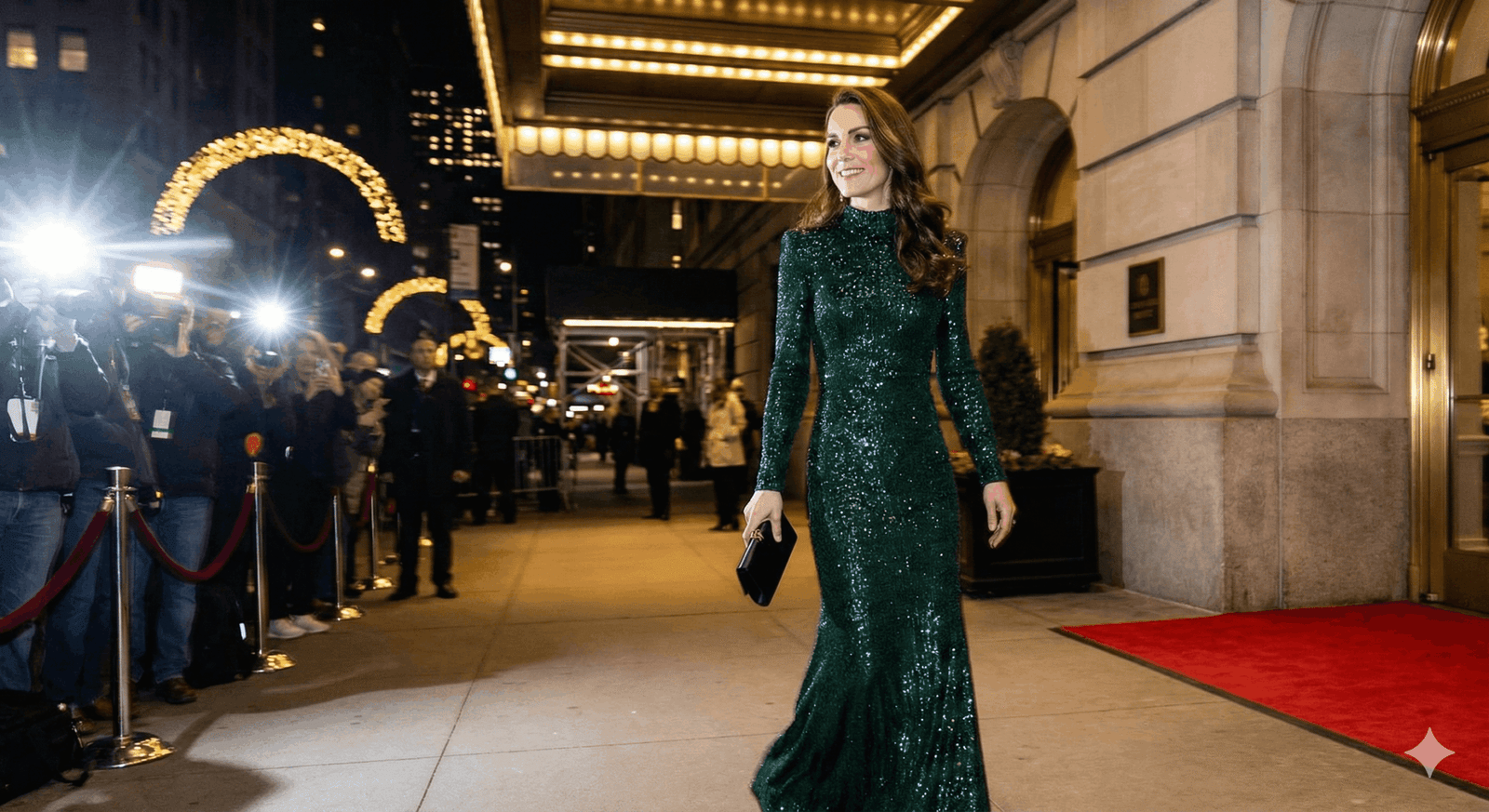
The Concept: You are dressing for 6:00 PM onwards. The lighting will be dim. Your dress needs to catch the light.
- The Dress: A floor-length gown is the standard. However, unlike White Tie, you can play with the silhouette. A mermaid cut, a trumpet skirt, or a sleek column dress are all perfect.
- The Modest Strategy:
- The Cape Dress: This is a modest woman’s secret weapon. A gown with an attached cape covers the arms and back elegantly without needing layers.
- Sequins and Beading: Since you are covering more skin, you have more “real estate” for embellishment. A fully sequined long-sleeve gown in emerald green or navy is a showstopper.
- High Necks: A mock-neck sequin gown is the epitome of modern chic.
- Fabric: Silk, chiffon (layered), lace (lined), crepe.
- Avoid: Cotton, linen, or jersey (unless it’s a very high-end matte jersey).
3. Black Tie Optional / Formal: The “Choose Your Own Adventure”
This code causes the most anxiety because it implies a choice. Do you dress up and risk being “too much”? Or dress down and risk being “underdressed”?
The Golden Rule: Always overdress. It is infinitely better to be the best-dressed woman in the room than the one who looks like she didn’t try.
- The Dress: You can wear a full gown (like Black Tie), or you can wear a very fancy ankle-length (tea-length) dress.
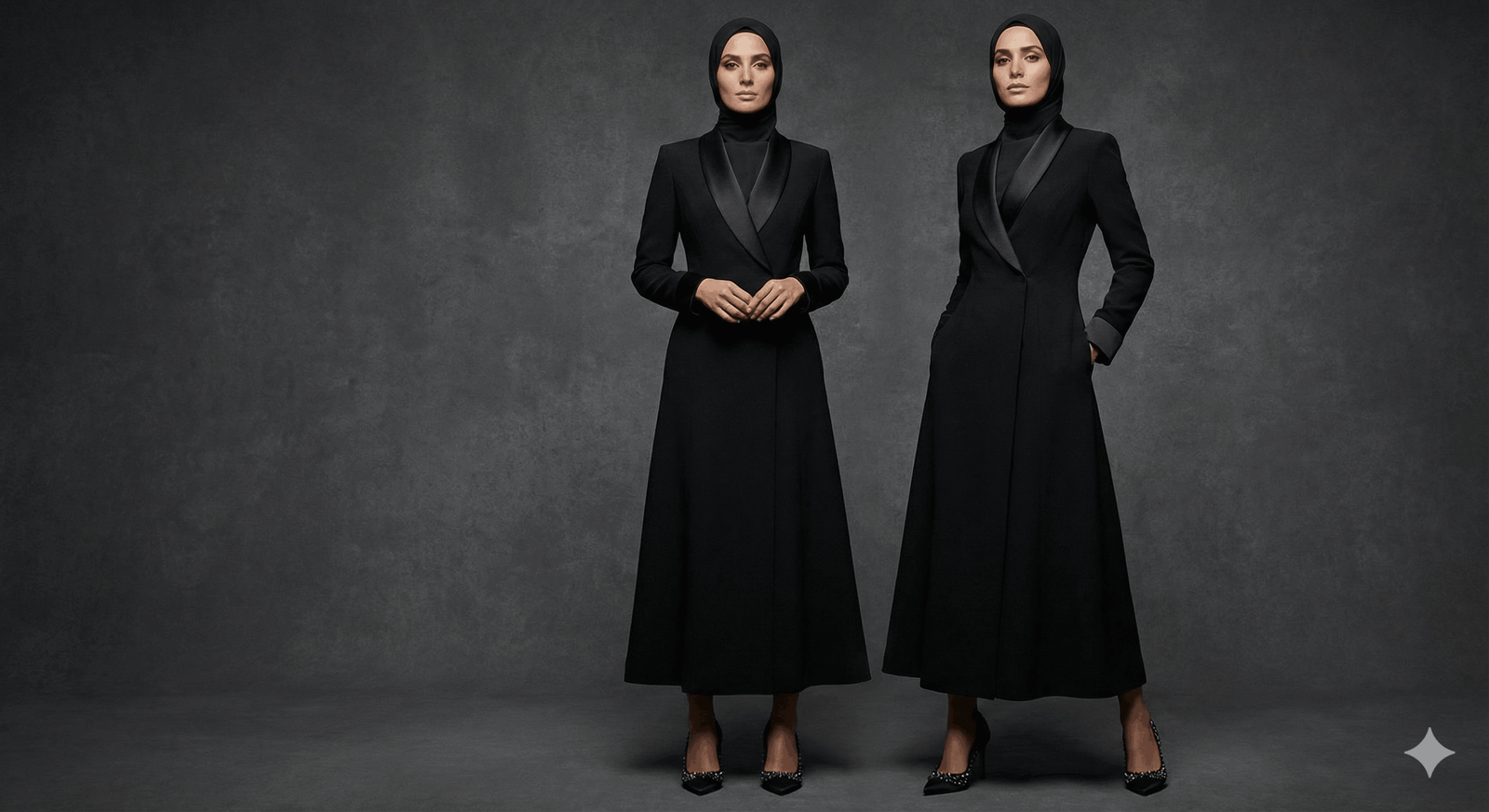
- The Modest Interpretation: This is where a high-end “Suit Dress” or a structured Peplum Maxi works beautifully. You don’t need the volume of a ball gown, but you need the structure of formal wear.
- The “Separate” Trick: You can wear separates (a skirt and top), if they look like a dress. A floor-length taffeta skirt paired with a matching silk blouse and a jeweled belt is stunning.
- Color Palette: Stick to dark, rich tones (navy, black, plum, forest green) or metallics. Pastels often read as “bridesmaid” or “daytime” unless the fabric is exceptionally rich.
4. Cocktail: The Playful Pivot
Finally, a code where you can relax—slightly.
- The Dress: You do not need a floor-length gown. A midi dress (hitting mid-calf) is the target.
- The Modest Strategy: This is the time for interesting sleeves (bishop sleeves, balloon sleeves) and prints. You can wear pleats, tiers, and softer fabrics.
- The Shoe: Since your hemline is higher, your shoes are on display. This is where you wear the Manolo Blahniks or the embellished pumps.
- Accessories: You can be trendier here. A sculptural bag or a stack of bangles is appropriate.
Part III: The 3 Cardinal Sins of Modest Formal Wear
We see these mistakes happen constantly. Avoid them to ensure you pass the test.
Sin #1: The “Make-Shift” Layering Wearing a strapless gown with a tight cotton long-sleeve t-shirt underneath.
- Why it fails: It looks disjointed. The fabrics don’t match (cotton vs. satin), and the neckline usually clashes.
- The Fix: Buy a dress that already has sleeves, or have a tailor add sleeves using matching fabric. Alternatively, wear a high-quality bolero or formal jacket that looks like part of the ensemble, not an afterthought.
Sin #2: The Bridesmaid Trap Wearing a solid-color chiffon maxi dress in a pastel color (blush, mint, baby blue).
- Why it fails: You will look exactly like a bridesmaid.
- The Fix: If you love pastels, choose a dress with texture—beading, metallic thread, or a jacquard weave. Or, choose a color that isn’t trending in weddings (like chartreuse or copper).
Sin #3: The “Day Fabric” at Night Wearing a modest maxi dress made of cotton, linen, or unlined polyester.
- Why it fails: No matter how long the dress is, if the fabric absorbs light (like cotton) rather than reflecting it (like silk or velvet), it looks casual.
- The Fix: Fabric is everything. A simple sack dress in black velvet is Black Tie appropriate. An elaborate dress in cotton is a beach cover-up. Always check the tag.
Part IV: The “Fashiorial” Accessories Cheat Sheet
When you are covered from neck to ankle, your accessories do the talking. They prevent the look from becoming “heavy.”
- The Clutch: Never, ever bring your work tote or a large day bag. You need a minaudière (a small, hard-cased clutch) or a sleek envelope bag. It should hold your phone and lipstick, nothing else.
- The Hijab (if applicable):
- White Tie: Satin or silk in a solid color matching the gown or a neutral (silver/gold/champagne).
- Black Tie: Chiffon or silk. Avoid jersey hijabs as they can look too casual.
- Styling: A clean, tucked-in style (like a turban or a sleek wrap) often looks more formal than a voluminous drape that competes with the dress’s neckline.
- The Shoes: Closed-toe pointed pumps are the most formal. Sandals are acceptable for Black Tie if they are delicate and jeweled, but closed-toe is always safer and more traditional.
Own the Room
The next time that heavy envelope arrives, don’t panic. See it as an opportunity.
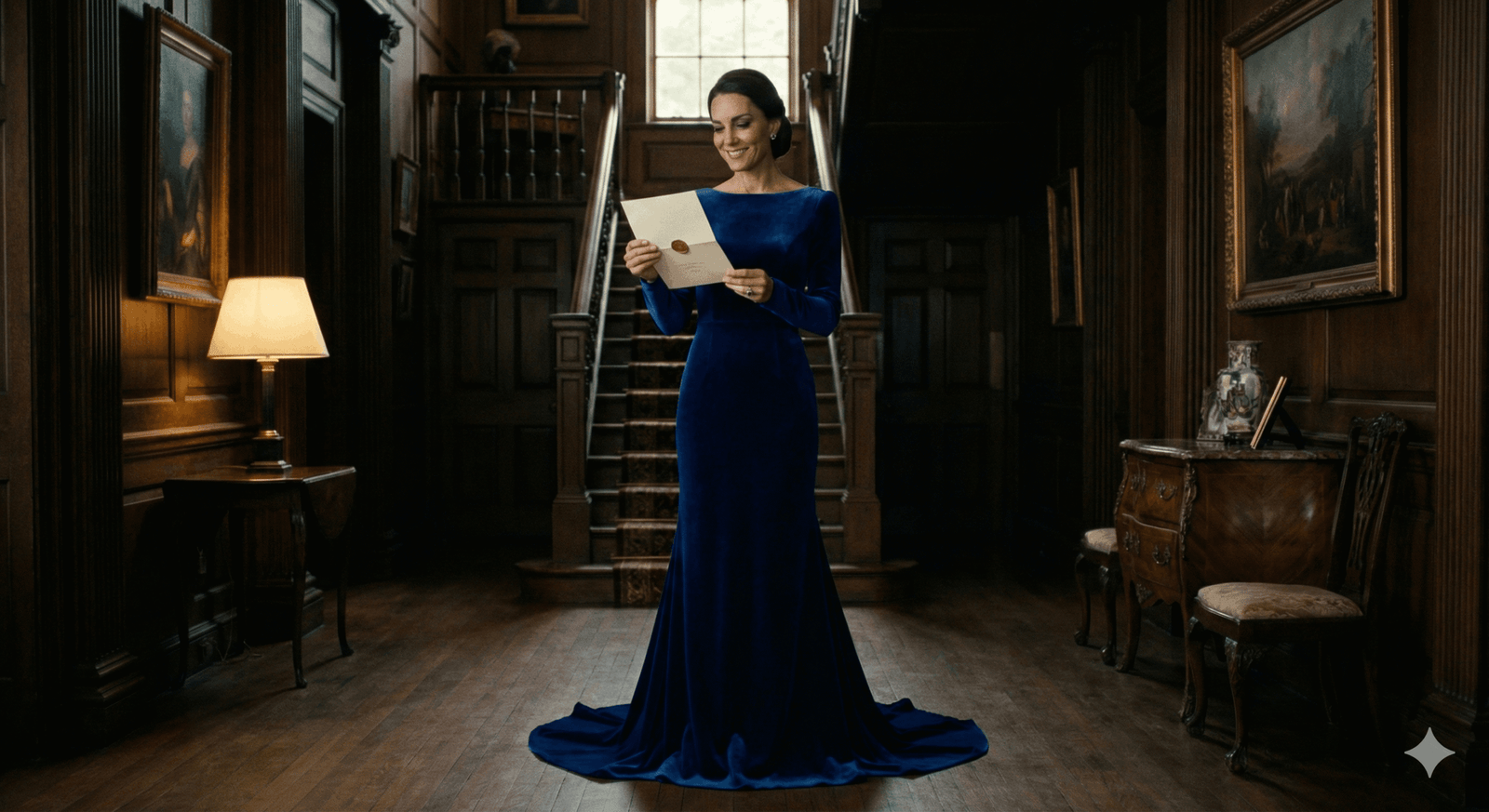
Modest formal wear is not about “hiding” or “covering up” in a shameful way. It is about presenting yourself with a level of dignity and regality that fast fashion has forgotten. When you walk into a Black Tie event in a perfectly tailored, long-sleeve velvet gown, you aren’t the “conservative girl”; you are the most elegant woman in the room.