
The ‘Imposter Syndrome’ Wardrobe: How to Dress Like a CEO When You’re Just an Intern
When you stepped into the workplace this morning and got your coffee, you felt it right away. That awful sense that you don’t fit in, even though you have the right skills. But knowing how to dress like a CEO when you’re just an intern is your hidden weapon for psychological and professional supremacy.
It’s not just about the fabric; it’s about the armor. Your clothes say a lot about you before you even say a word in a meeting.
In the harsh business world, what people think is true. Even if you’re printing spreadsheets, you need to look like you sign the checks. This guide will help you get from your current job to your future corner office.
The Psychology of Power Dressing in the Workplace
Most entry-level workers see clothes as a need, not as a strategic advantage. This is the main error that hinders talented people from being seen.
A study by Northwestern University on “Enclothed Cognition” found that the garments you wear have a systematic effect on how you think and feel. Wearing things that are linked to authority can help you focus and feel more confident.
If you dress like a subordinate, people will treat you like one. If you want to move up in your job, you need to seem like the people who make decisions, not the people who help them.

Why Perception Equals Promotion
Your manager wants to find someone to take over their job, not simply someone who can do it. Visual signals might cause managers to make judgments based on prejudice without even realizing it.
- Reliability: Crisp tailoring suggests attention to detail.
- Ambition: structured silhouettes imply you are ready for more responsibility.
- Competence: Quality fabrics signal that you invest in yourself.
When you look polished, people assume your work is polished, too. It is an unfair reality of the 9-to-5 grind, but it is one you can leverage.
The ‘Imposter Syndrome’ Wardrobe: How to Dress Like a CEO When You’re Just an Intern
This is the plan for how to change your life. We’re going from “trying hard” to “effortless authority.”
“The Rule of Thirds” is the greatest approach to put together an executive wardrobe on a budget. Spend a lot of money on one structural third layer (such a blazer or coat), pick neutral monochromatic bases, and make sure the tailoring is perfect. This gives off an air of competence, hides inexperience, and commands immediate respect in any boardroom.
You get rid of the visual noise that says “junior employee” by focusing on fit instead of fashion fads. The most confident thing you can do is keep things simple.
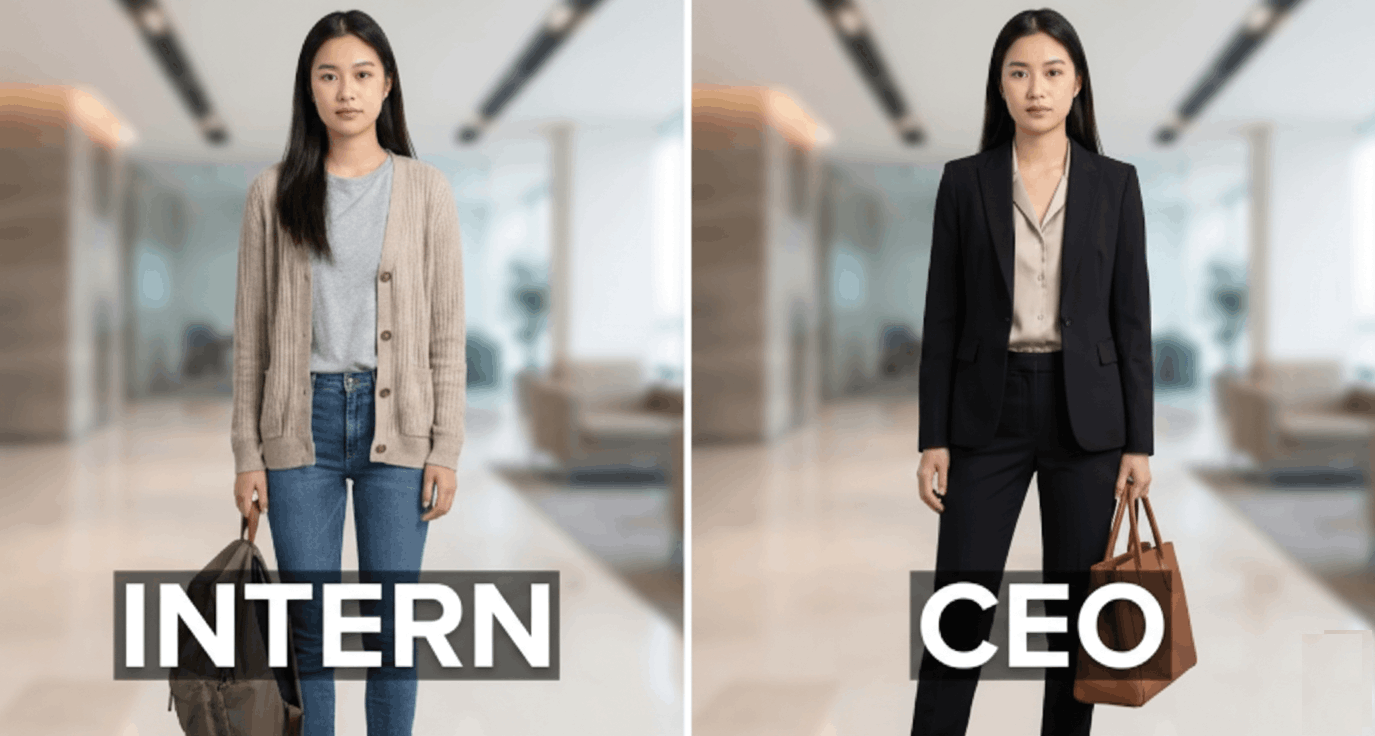
The “No-Distraction” Rule
CEOs don’t wear clothes that are too tight, too loose, or too wrinkled. Your clothes should be a stronghold of stability.
If you pull on a hemline during a presentation, you’ve lost the room. Comfort gives you confidence, and confidence gives you command.
- Avoid loud prints: They date quickly and can look chaotic.
- Skip the synthetic sheen: Cheap polyester shines under fluorescent lights; opt for matte fabrics.
- Watch the neckline: Professional modesty ensures people look at your eyes, not your outfit.
Your goal is to be remembered for your ideas, not your loud tie or distractingly bright dress.
The “Titanium Tier” Capsule: Essential Pieces
You do not need a closet bursting with clothes. You need a sniper’s kit of high-impact garments.
We call this the “Titanium Tier” because these pieces are indestructible in terms of style and ROI. Every item here pairs with every other item.
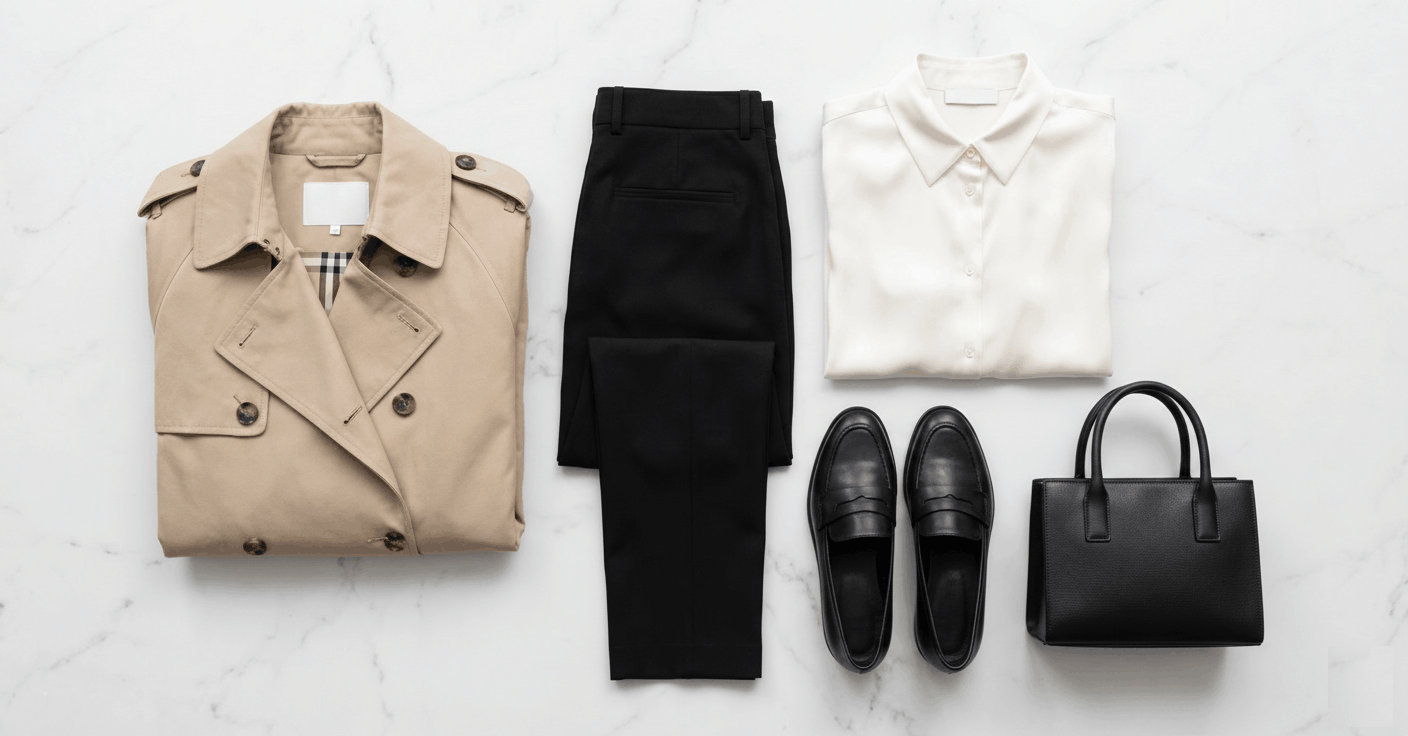
1. The Structure Jacket
This is your protection. A well-tailored blazer makes a t-shirt look more professional right away.
Look for cotton that is thick or wool blends. Stay away from jersey knits that droop; you want sharp angles.
2. The Power Trousers
Forget about thin jeans. You must wear wide-leg or cigarette pants in charcoal, navy, or black.
They let you move about while keeping a strict shape. It’s important to tailor the hem since puddling fabric looks messy.
3. The “Deal-Closer” Shoe
You wear sneakers to work. Under your desk, keep a pair of pointed flats or loafers.
You never know when someone will ask you to a meeting. A good CEO is ready for anything that might happen.
Navigating the “Business Casual” Trap
“Business Casual” is the most dangerous dress code for an intern. It is a minefield where many careers stall.
Too casual, and you look lazy. Too formal, and you look stiff.
The secret is the “High-Low” mix. Pair a formal element with a relaxed one, but keep the fabrics premium.

The Semantic Divide: “Polished” vs. “Party”
HR-approved clothes don’t have to be boring, but they do have to have limits. On the weekends, you should wear crop tops and ripped jeans.
If you’re not sure, ask yourself, “Would I wear this to fire someone?” If the answer is no, it doesn’t have enough power.
- Swap hoodies for cashmere sweaters: Same comfort, higher tax bracket look.
- Swap leggings for Ponte pants: Thick, structured knit is the professional alternative.
- Swap backpacks for leather totes: Structure your carry just like your day.
Elevating your casual wear separates you from the other interns who treat the office like a campus extension.
Fabric and Fit: The “Silent” Signals of Wealth
If you don’t fit into a $5000 suit, it will look like trash. If it fits perfectly, you can get a thrifted jacket for $20 that looks like a million bucks.
“Quiet Luxury” is the style of billionaires. It whispers riches by how it feels and hangs.
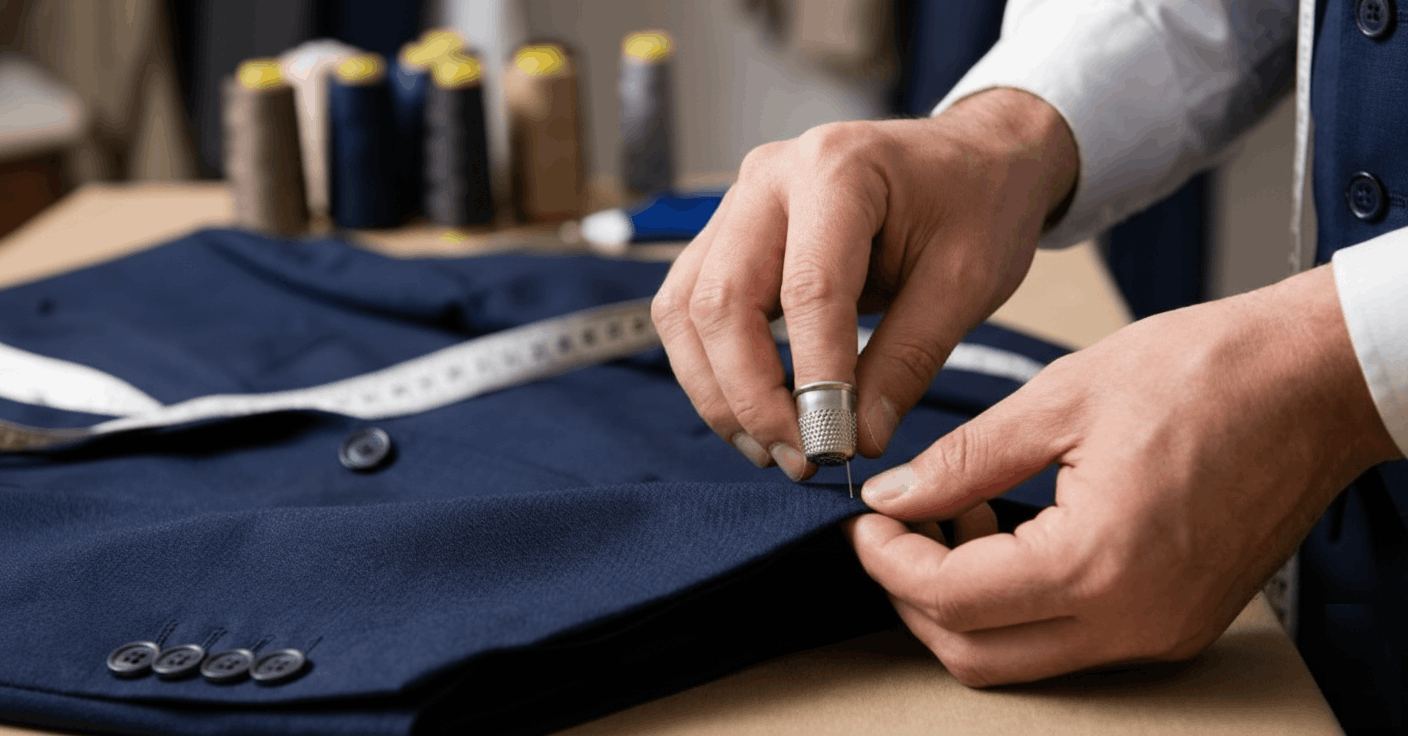
The $20 Tailor Hack
The modification shop is the secret weapon of the rich and powerful. Clothes that are already made don’t usually fit someone perfectly.
If you spend $20 to shorten a sleeve or nip a waist, you can make it look like it was made just for you. This tiny investment pays off big time in how people see how much you care about the details.
Authority hates wrinkles. Get a steamer; it’s safer for fragile textiles and works faster than an iron.
The Difference Between “Assistant” and “Associate” in Accessories
Accessories are where you can show personality without breaking protocol. They are the punctuation marks of your outfit.
A structured leather bag says you carry important documents. A floppy canvas bag says you carry gym clothes.
Keep jewelry minimal but substantial. Avoid jangling bracelets that make noise when you type or gesture.
The Watch Check
Wearing a watch is a conscious choice in the digital age. It shows that you care about time.
It doesn’t have to be a Rolex. An analog face with a leather strap and no further details is always in style.
- Belts: Match your belt to your shoes for a cohesive look.
- Glasses: Ensure your frames are modern and smudge-free.
- Notebooks: Carry a leather-bound notebook, not a spiral pad.
These little hints add up to paint a picture of someone who is organized and “on top of it.”

Grooming: The Final Polish
Your wardrobe extends to your personal grooming. Executive presence requires holistic maintenance.
You cannot wear a power suit with unkempt hair. The details must align from head to toe.
This does not mean heavy makeup or expensive blowouts. It means cleanliness and intentionality.
The “Fresh” Standard
You have to smell pleasant, but you can’t smell too overpowering. Don’t wear strong scents in open-plan offices.
You must have clean nails, nice hair, and shiny shoes. Scuffed shoes mean you didn’t do a good job.