Packing for Resort Life: The ‘Drying Time’ Matrix (How Many Suits Do You Need?)
It’s 8:15 AM. The balcony door is open, and the salty ocean air is calling your name.
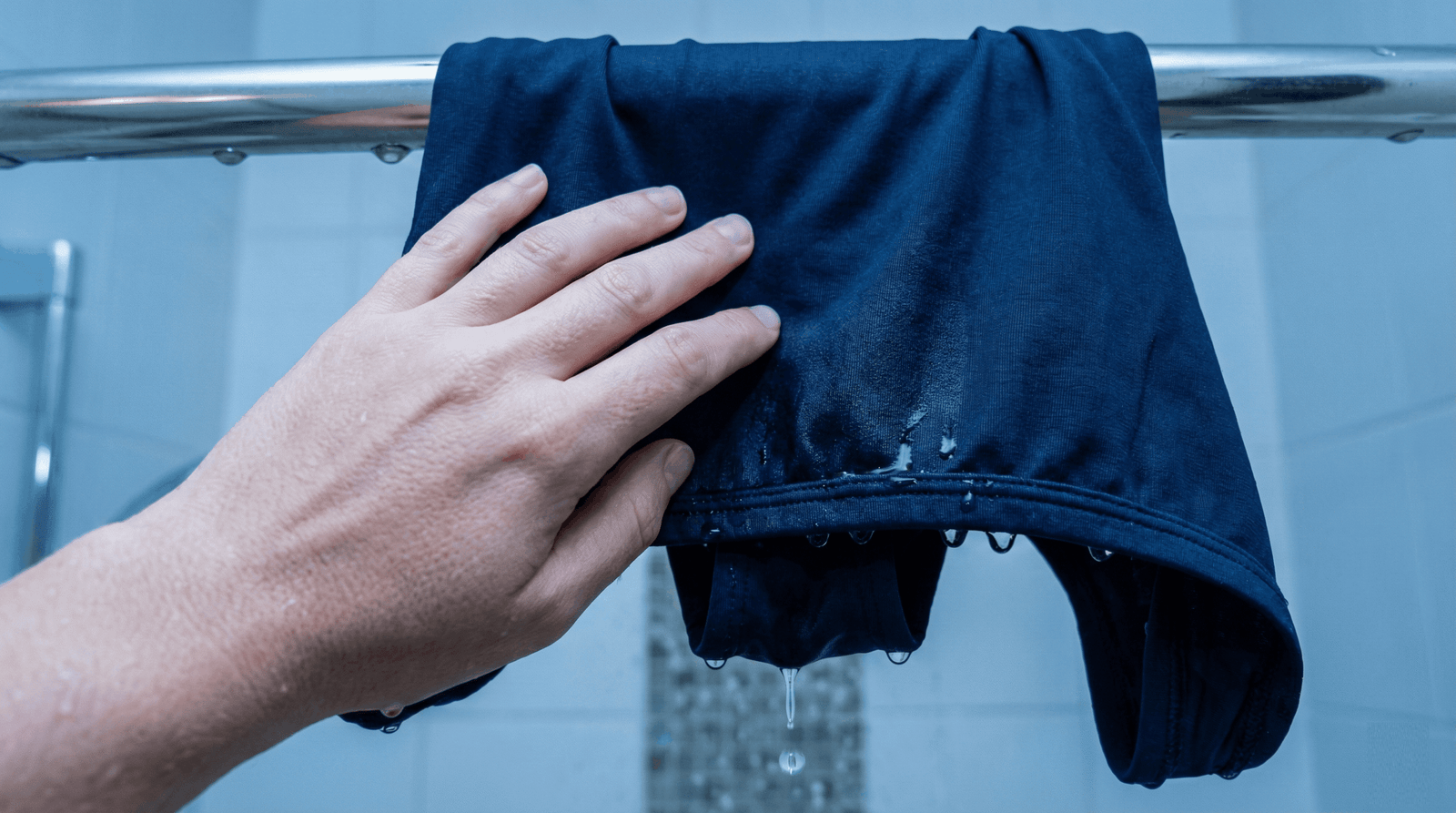
You reach for the swimsuit you hung over the shower rod last night. You touch it, and immediately recoil.
It is cold. It is heavy. It is damp, clammy, and utterly unwearable.
There is no feeling worse than pulling a shivering, wet bathing suit onto dry, warm skin. It resists you. It sticks. It feels like a rubber band snapping against a sunburn.
When Packing for Resort Life, avoiding this specific sensory nightmare is the ultimate goal.
You aren’t just packing clothes; you are packing for a rotation. You are managing moisture.
Most travelers get this wrong. They either stuff their suitcase with ten cheap bikinis that never fit right, or they bring two high-quality suits that stay wet for the entire week.
But there is a science to this.
We call it the “Drying Time Matrix.”
It is a simple formula that guarantees you never have to wiggle into a soggy suit again. We reveal exactly how to calculate your magic number in the section below.
The “Soggy Bottom” Dilemma
Why is this so hard to get right?
You want to travel light. You have heard about the “capsule wardrobe.” You want to be that chic traveler with just a carry-on.
But resort life is different. Water changes the rules.
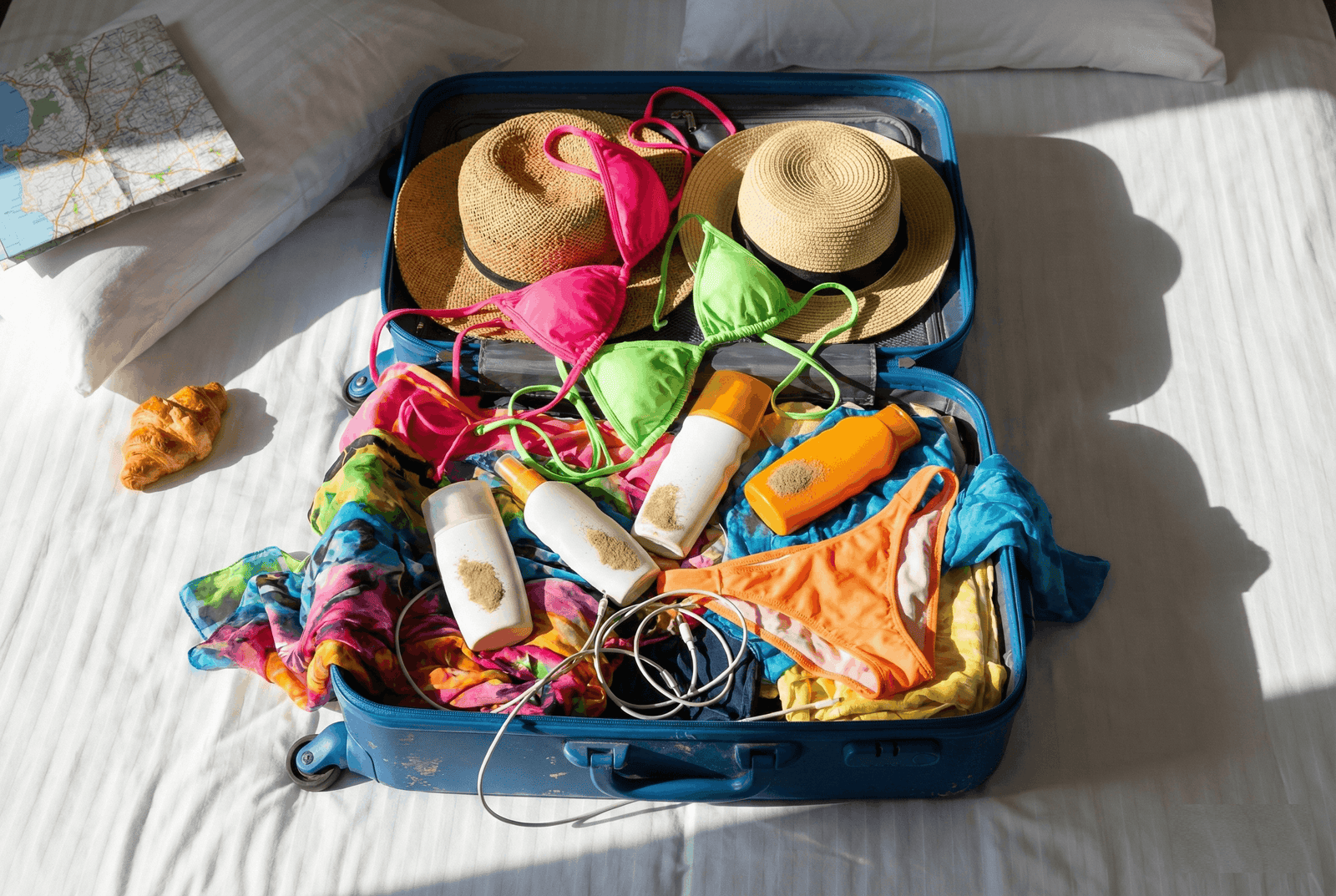
If you plan to swim in the morning and the afternoon, a single suit cannot keep up. Humidity plays a massive role.
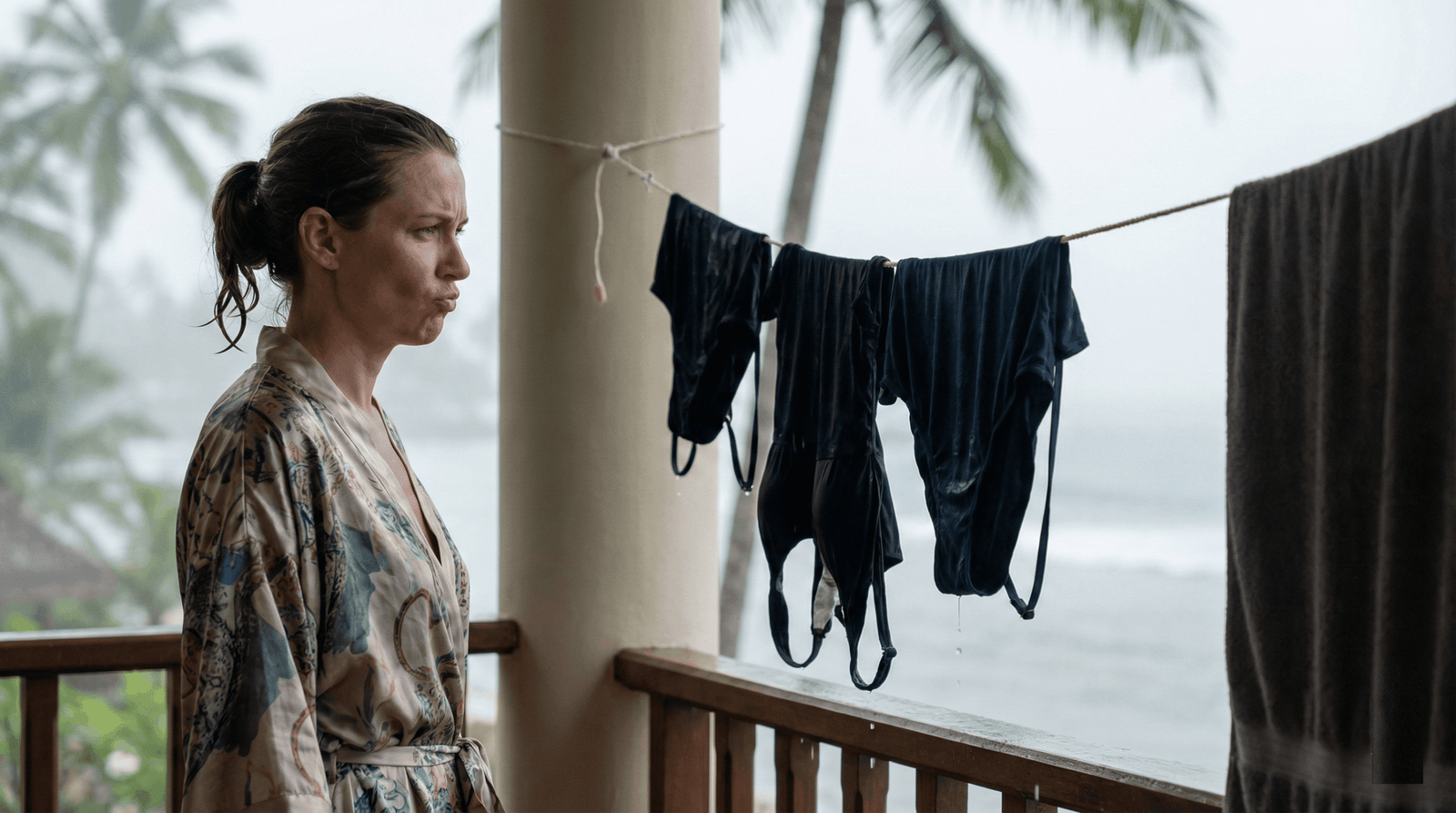
In tropical climates like Bali or the Maldives, the air is thick. Things do not dry. They sit there, absorbing moisture from the air.
Travel Truth: “A suit that dries in 2 hours in Arizona might take 14 hours to dry in Thailand.”
You need a strategy that outsmarts the humidity.
How to Calculate Your Swimwear Number
You are looking for a magic number. Here is the titanium-grade answer you have been searching for.
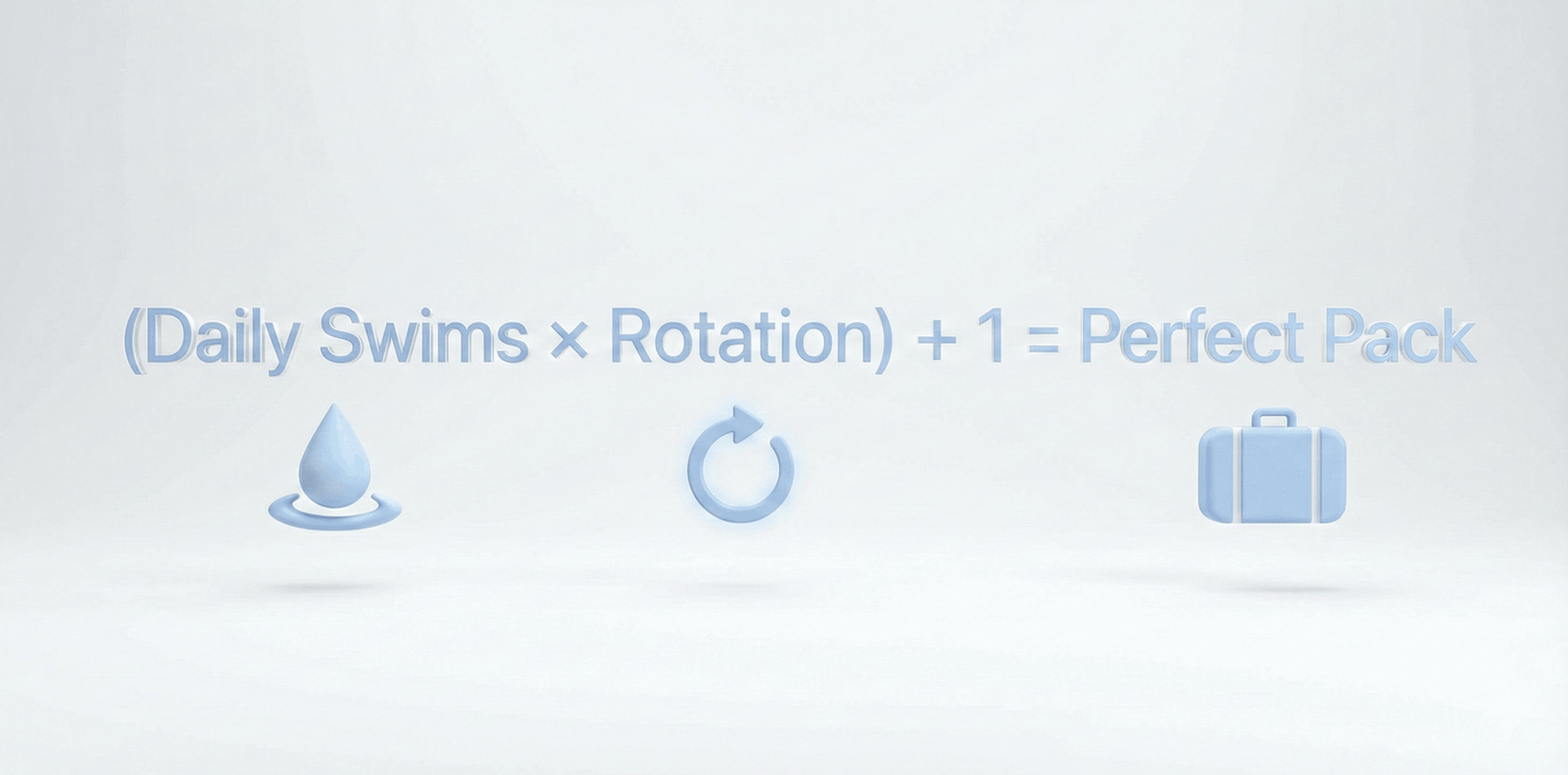
The best way to calculate how many suits you need is to use the Drying Time Matrix: Multiply your daily swim sessions (e.g., 2) by the days between laundry access, then add one “safety suit.” For a standard 7-day tropical vacation with daily swimming, this usually equals 3 suits. This works because it allows a full 24-hour rotation for drying.
Why The “Rule of 3” Works
For 90% of travelers, the answer is three.
- The Suit You Are Wearing: This is the dry one.
- The Suit That Is Drying: This is the one from yesterday.
- The Backup/Evening Suit: This is for the spa or sunset dip.
The Fabric Factor: Not All Suits Are Equal
The “Matrix” relies on one variable: Fabric.
If you pack heavy, crocheted suits or thick neoprene, the Rule of 3 fails. Those fabrics hold water like a camel.
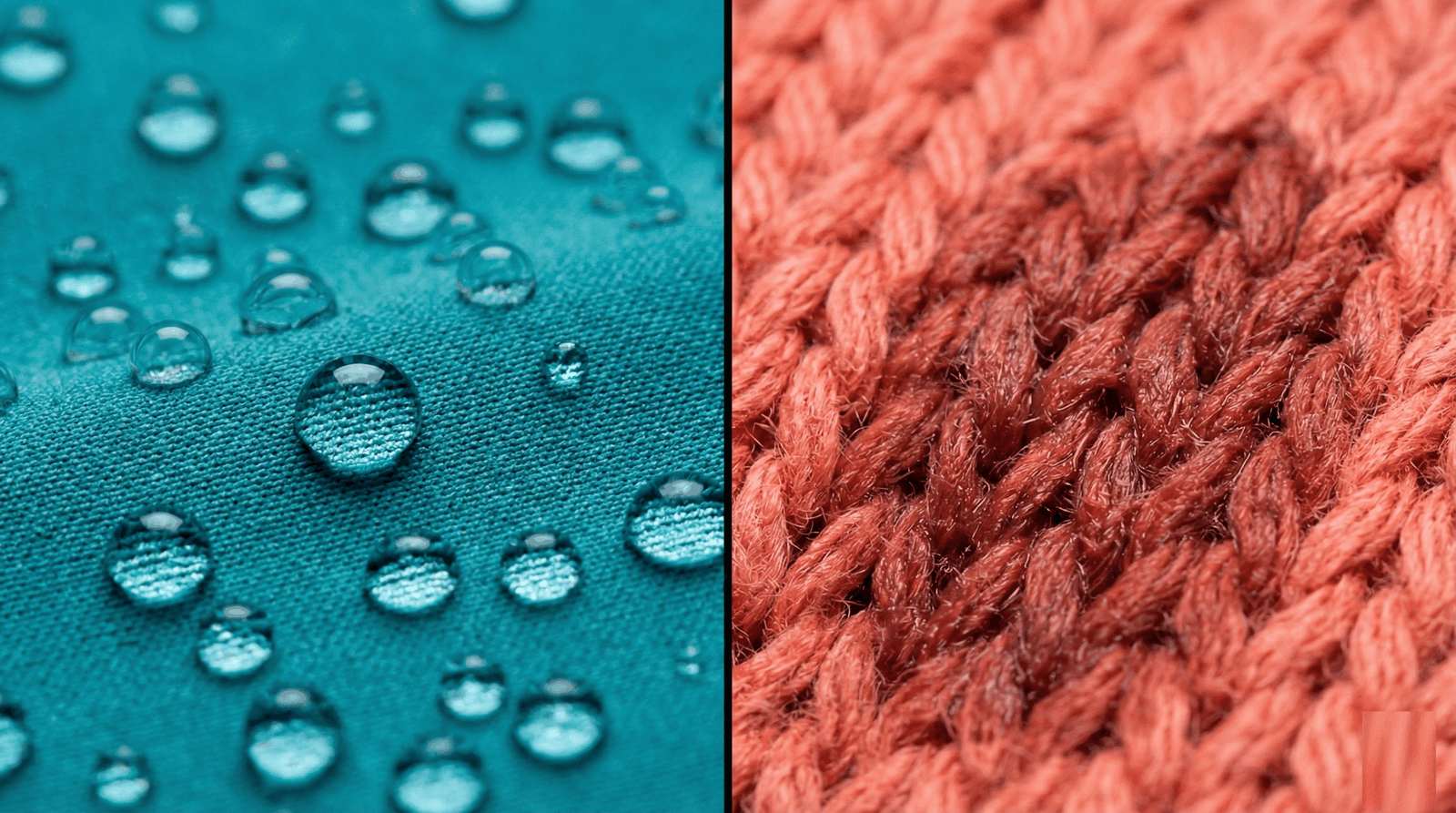
To master Packing for Resort Life, you need to look at the label. You are looking for high-tech synthetics.
Here is the breakdown of drying times based on material:
| Fabric Type | Average Drying Time (Tropical) | Best Use Case |
| Thin Nylon/Spandex | 4-6 Hours | Lap swimming, Active days |
| Textured/Ribbed | 8-12 Hours | Lounging, Photos |
| Neoprene/Thick | 12-24 Hours | Scuba, Surfing |
| Cotton Blends | Forever | Do not bring these |
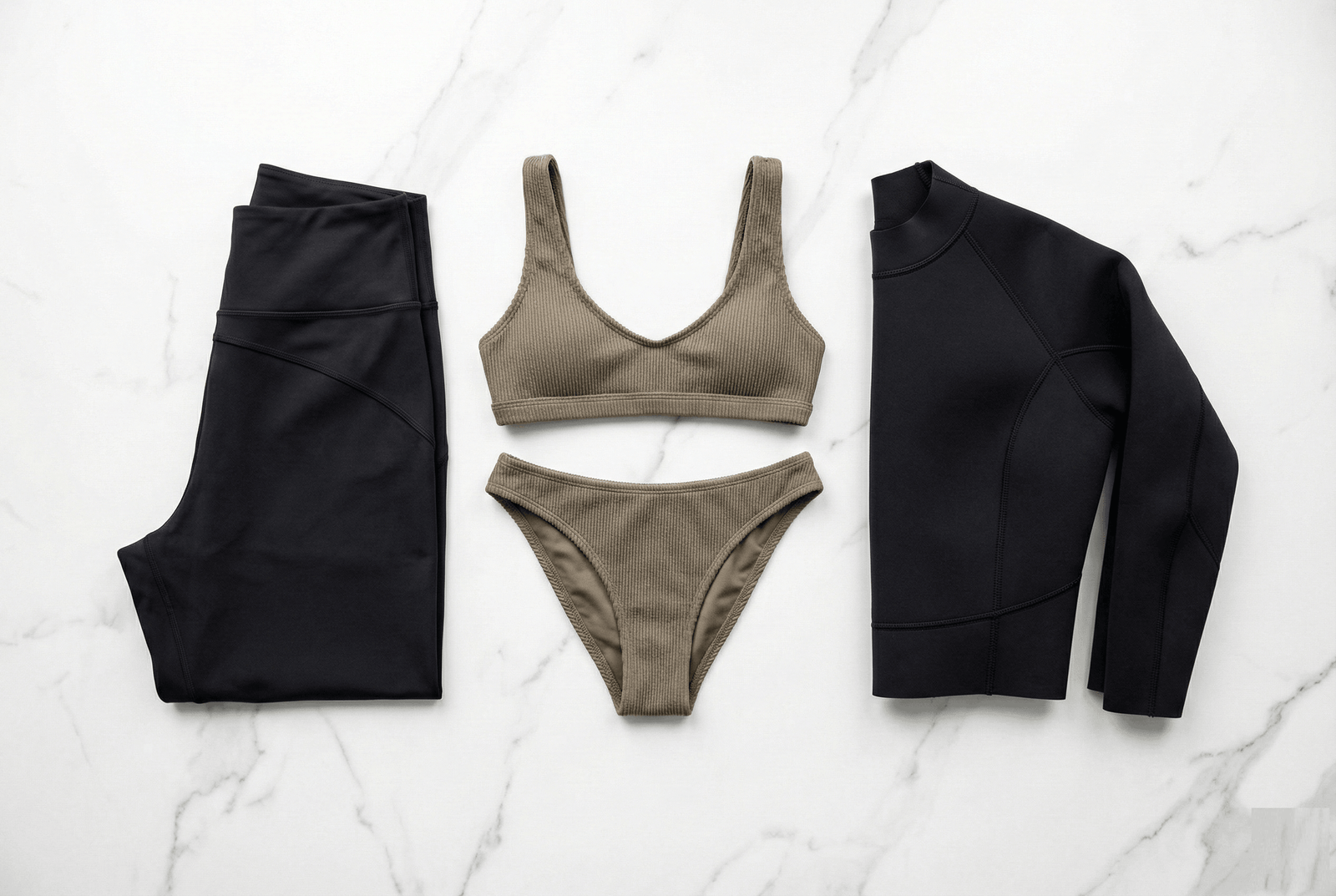
The “Ghost” Moisture
Be careful with “ghost” water.
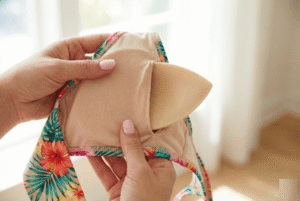
This is the water trapped in padding, cups, and heavy linings.
A suit might feel dry on the outside, but the foam cup inside is a sponge. When you pack it to go home, that sponge leaks onto your silk dinner dress.
Pro Tip: Removable cups are your best friend. Take them out at night to speed up drying by 50%.
The Rotation Strategy: Morning vs. Afternoon
Let’s visualize your perfect day.
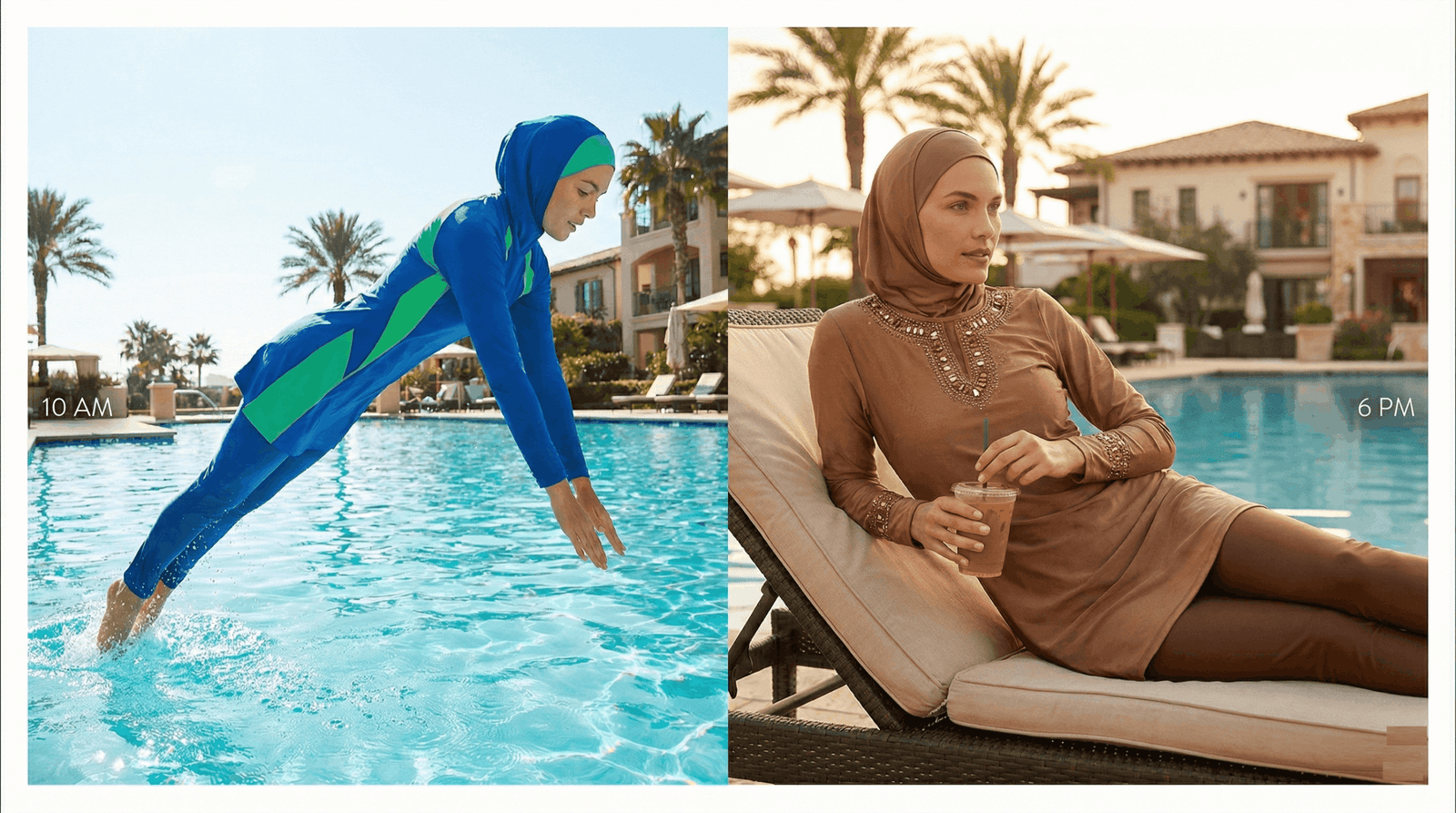
09:00 AM: You put on Suit A. It is bone dry. You hit the pool. 12:00 PM: You rinse Suit A and hang it up. It is dripping wet. 04:00 PM: You want a sunset swim. You touch Suit A. Still damp.
This is where the Matrix saves you.
You switch to Suit B.
Suit A now has until tomorrow morning to dry. That gives it a full 20 hours. Even in 90% humidity, 20 hours is usually enough.
If you only brought two suits, you are cutting it close. If you lose one, or one gets a snag, you are out of luck.
That is why you need the “Plus One.”
The “Plus One” Rule
Always pack one more than you think you need.
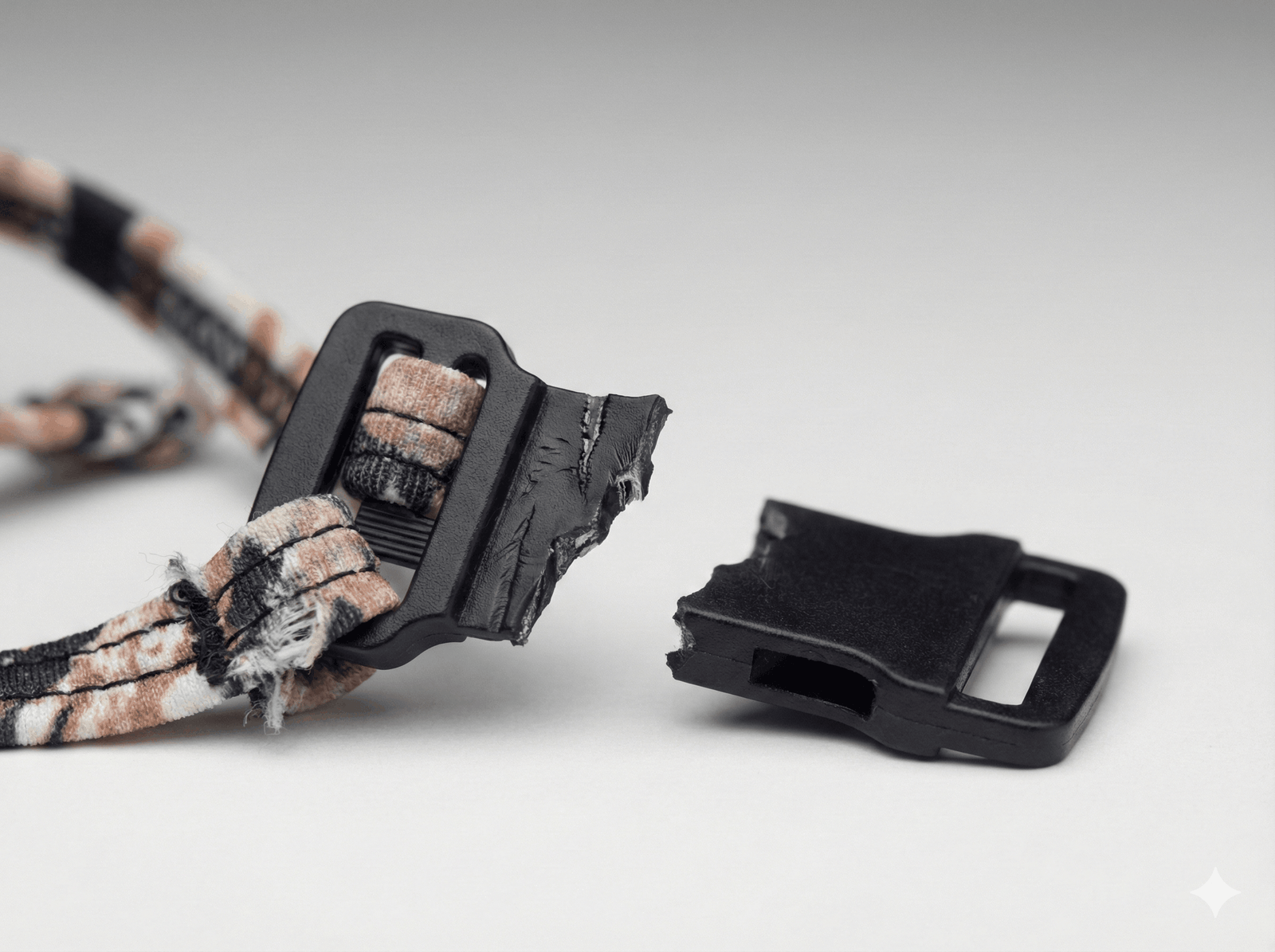
Pins break. Straps snap. Or maybe you just feel bloated one day and want a different cut.
Organizing the Chaos
You have your three or four suits. How do you pack them?
Do not just throw them in the main compartment.
You need a dedicated “Wet Bag.”
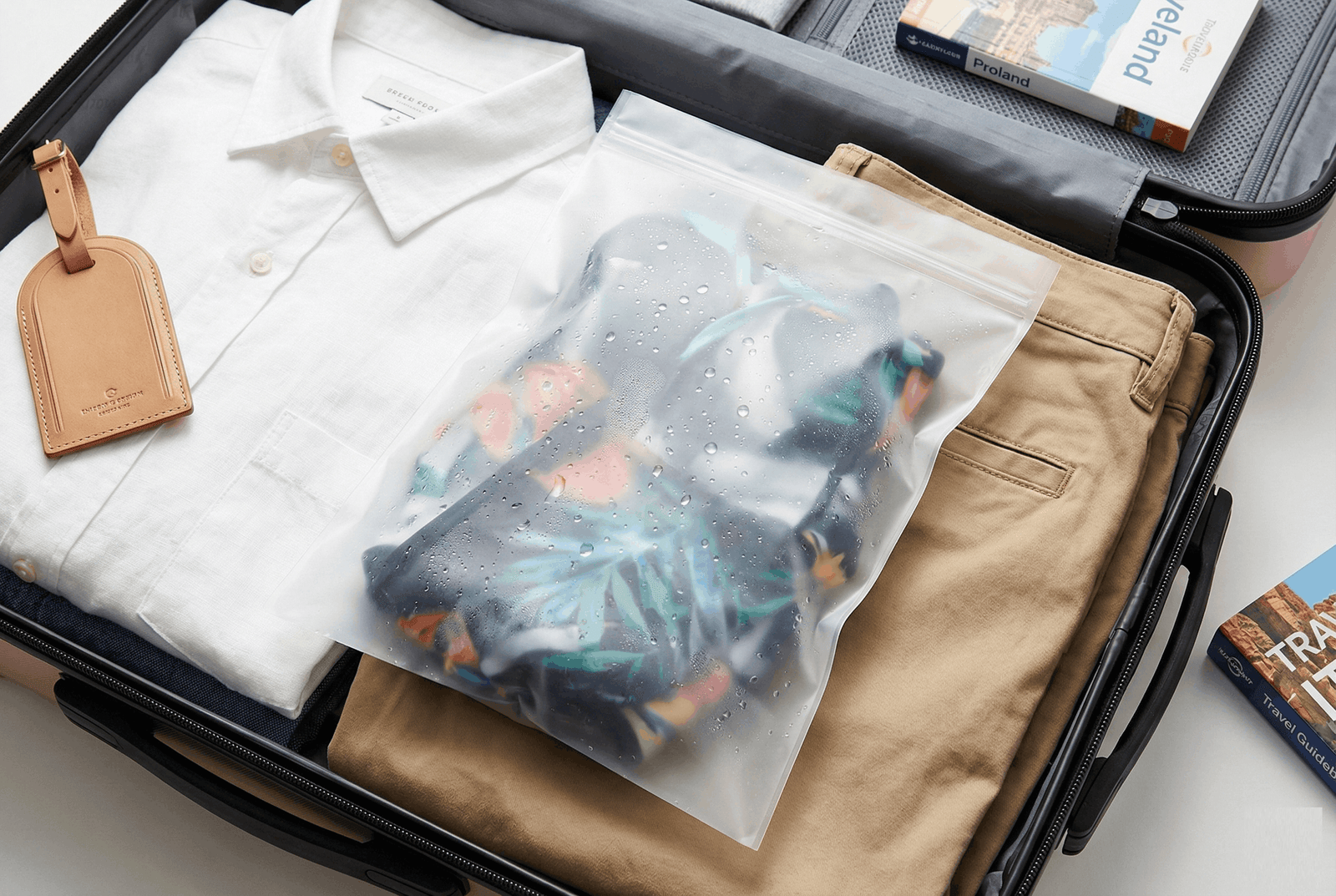
Chlorine and salt are enemies to your other clothes. Salt retains moisture. If you pack a salty suit next to your fresh linen shirt, the shirt will feel damp when you arrive.
The Rinse Ritual
Your suits will last twice as long if you follow this ritual:
- Immediate Rinse: As soon as you take it off, run it under cold water.
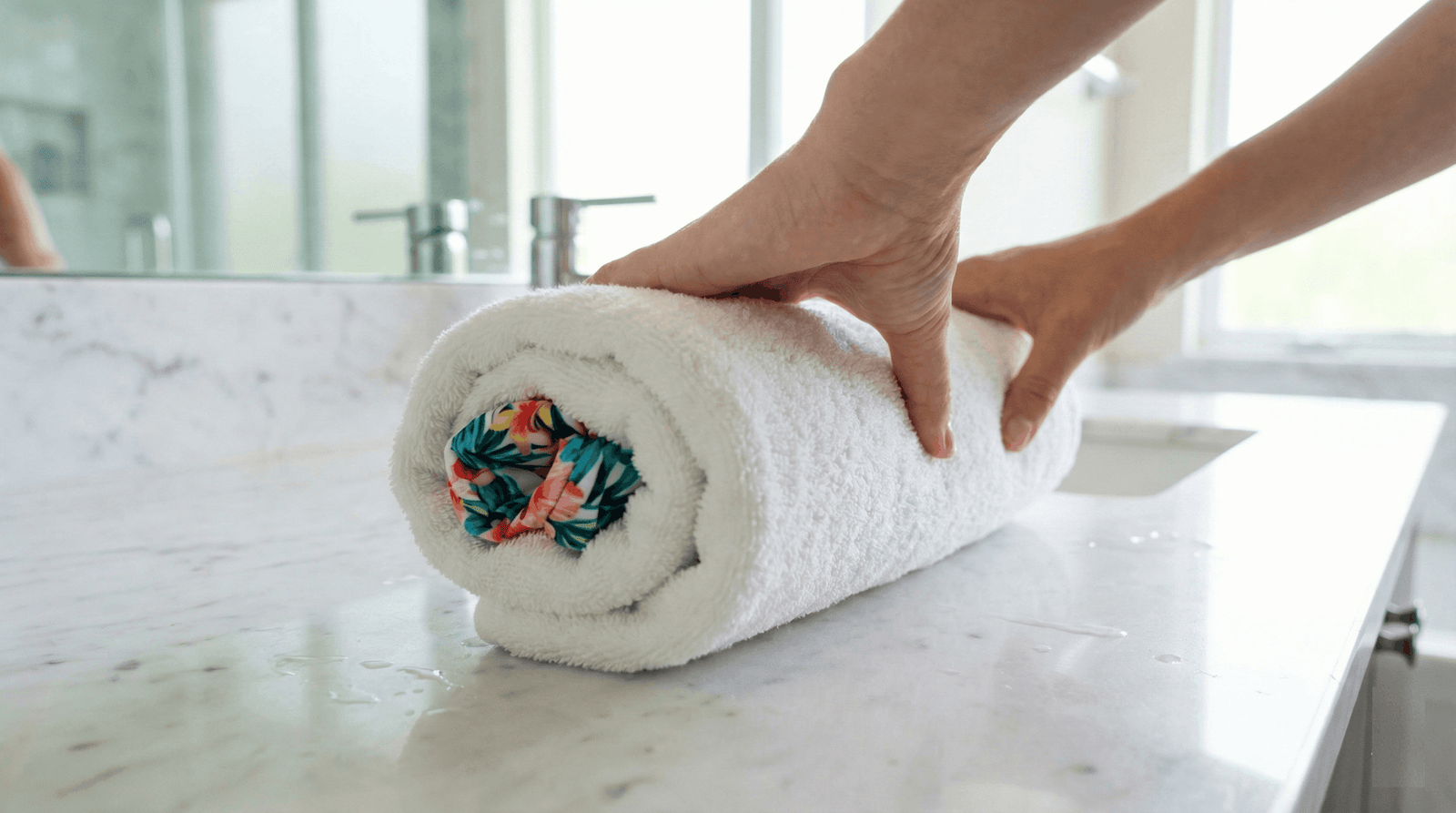
- The Taco Roll: Lay the suit on a dry towel. Roll it up like a taco. Step on it gently. This squeezes out water without damaging the elastic.
- Hang Shade: Never hang in direct sunlight. The sun cooks the elastic, making it brittle.
Science Note: A study by the Textile Research Journal showed that UV radiation and chlorine significantly degrade spandex elasticity over time. Rinsing is your only defense. [LINK: External Authority – Textile Research Journal Study Summary]
Summary: The Resort Checklist
Let’s recap so you can close your suitcase with confidence.
You do not need 10 suits for a week. You are not a swimwear model (unless you are, then pack 20).
For the rest of us, the magic number is 3.
- One to wear.
- One to dry.
- One for backup.
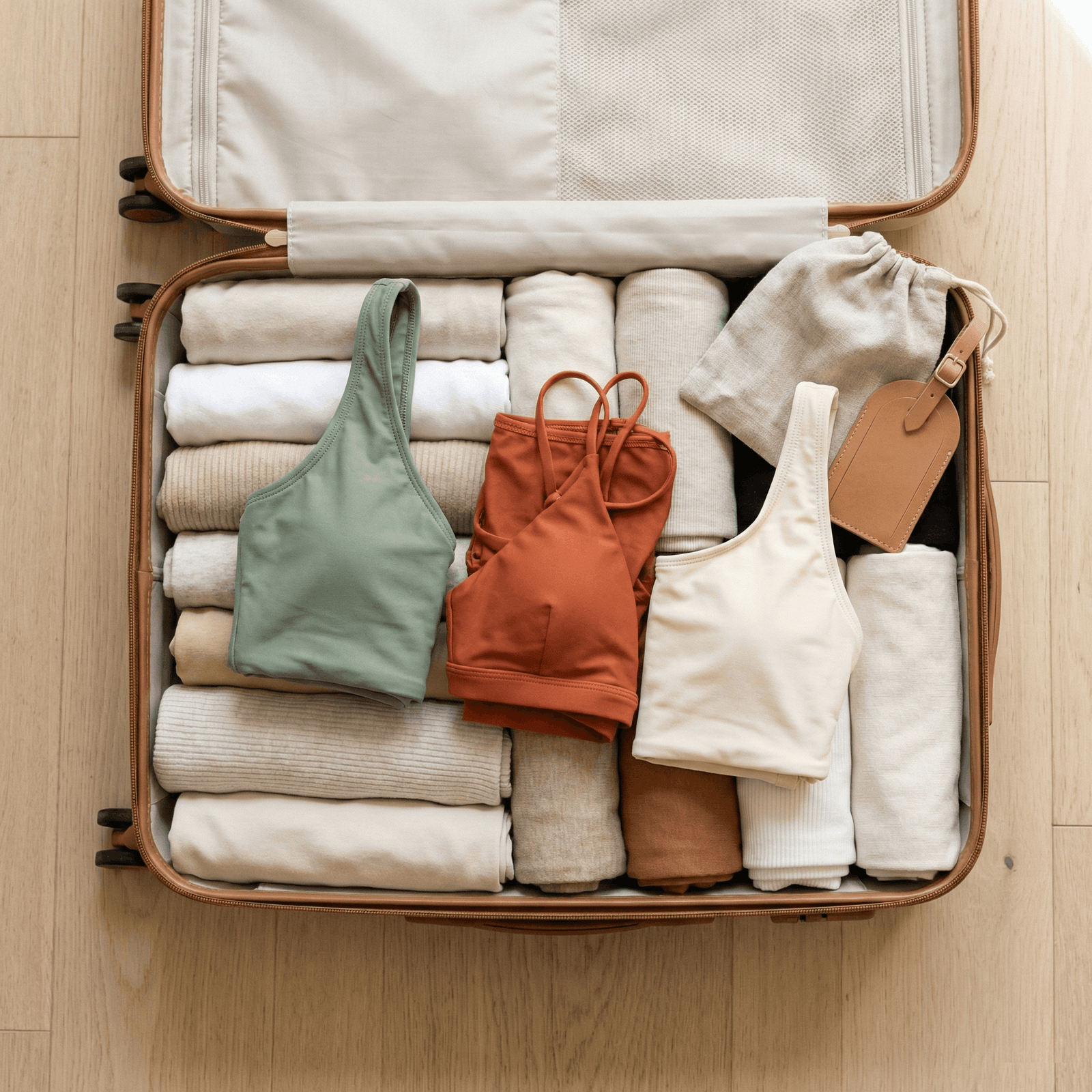
This system frees up space for things that matter. Like that extra pair of heels or the souvenir you are going to buy.
When you unzip your bag at the resort, you won’t feel panic. You will feel prepared.
And when you wake up on day two, reaching for that suit?
It will be crisp. It will be dry. And it will be ready for the water.
[INSERT IMAGE: Woman smiling, walking into the ocean, looking carefree.]
We Want to Hear Your Horror Story
Have you ever had a “wardrobe malfunction” because of a wet suit? Or did you once pack 15 bikinis and wear only 2?
Tell us your funniest packing fail in the comments below!