
Dark Academia vs. Real Life: Why Tweeds Itch and What to Wear Instead (The Comfortable Edit)
Dark Academia vs. Real Life: Why Tweeds Itch and What to Wear Instead (The Comfortable Edit)
We’ve all been there: drawn in by the intellectual and moody appeal of old libraries and secret societies. You put together the perfect outfit, but then you remember that we really need to talk about Dark Academia vs. Real Life: Why Tweeds Itch and What to Wear Instead (The Comfortable Edit). The look promises mystery and class, but in reality, it often means stiff fabrics, being too hot, and constant pain.
You don’t have to choose between looking like a poet from the 1800s and being comfortable. We are breaking the myth that you have to suffer to be stylish.
The Reality Check: Achieving the Intellectual Aesthetic Without the Scratch

If you want to look like Dark Academia without being uncomfortable, the best way to do it is to replace stiff heritage fabrics with modern, natural fiber blends like merino wool, cotton moleskin, and bamboo cashmere. This gives you a sleek shape that breathes, moves with you, and gets rid of the “itch factor” while keeping the moody, intellectual look.
The main reason for this is that tweed has become romanticized. It looks great in a posed picture on a rainy London street, but wearing heavy wool inside is a sensory nightmare. Most tweeds that look old are rough and trap heat, which can make your skin feel bad after just an hour of wearing them.
People in real life move around, use central heating, and work long hours at their desks. Your clothes should help you reach your goals, not get in the way of your focus. The goal is to get the feel, the colors, the textures, and the layers without copying the textile limits of the 1920s.
- Texture: Focus on visual depth rather than physical roughness.
- Weight: Choose mid-weight fabrics that layer easily without adding bulk.
- Movement: Ensure your trousers and blazers have a hint of stretch or a relaxed cut.
- Maintenance: Opt for blends that don’t require dry cleaning every week.
Dark Academia vs. Real Life: Why Tweeds Itch and What to Wear Instead (The Comfortable Edit)
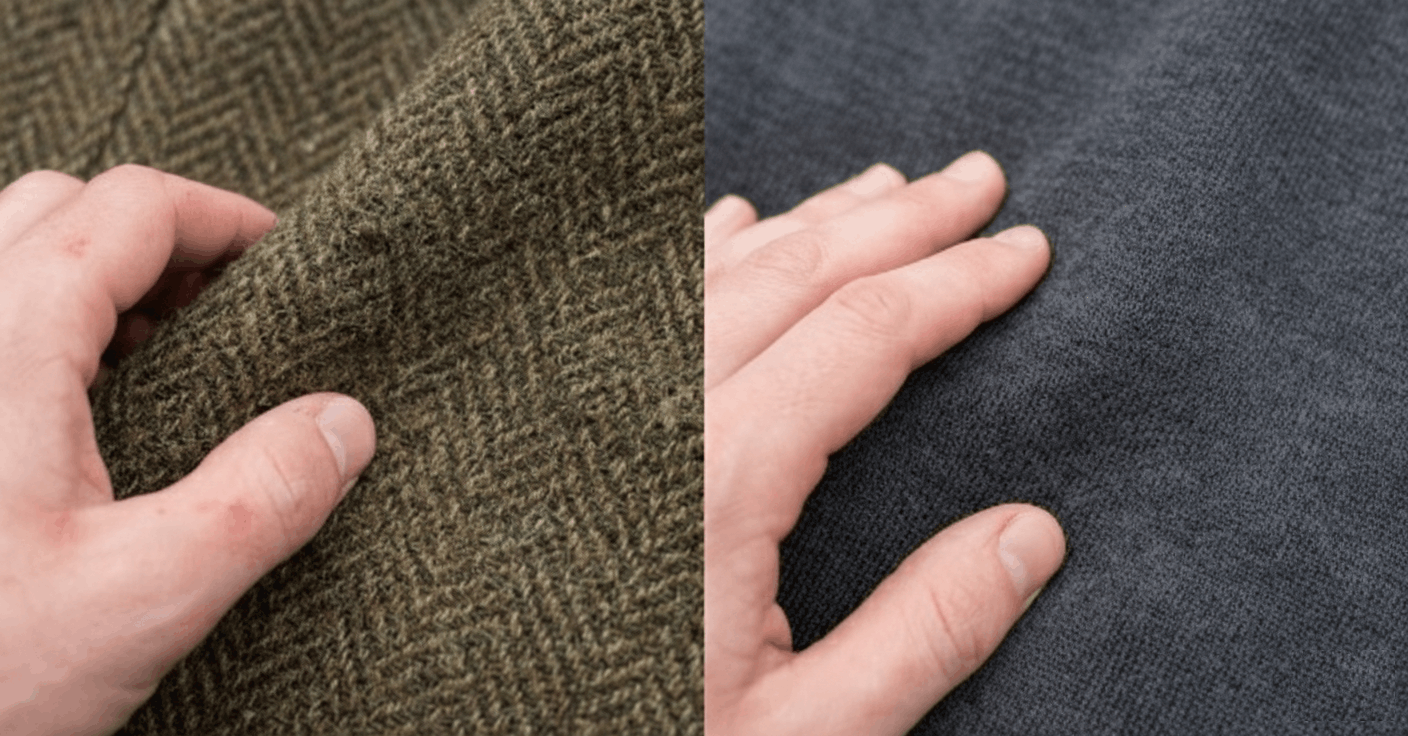
To really get this look down, we need to figure out exactly why the original doesn’t work for us. The fight between Dark Academia and Real Life: Why Tweeds Itch and What to Wear Instead (The Comfortable Edit) is all about function. Traditional school clothes were made for stone buildings in Northern Europe that were cold and drafty.
We live in places where the temperature is controlled. If you wear a heavy wool three-piece suit to work in a modern office, you’ll get too hot. The “itch” isn’t just annoying; it takes you out of your flow state.
If you keep adjusting your collar or scratching your arm, you lose the air of effortless intelligence you want to give off. To have real style, you have to be comfortable. When you’re comfortable, you show confidence instead of being tight.
“Elegance is refusal.” , Coco Chanel. In this case, refuse the urge to prioritize the costume over the human experience.
The Fabric Swap: Soft Textures That Mimic the Vibe
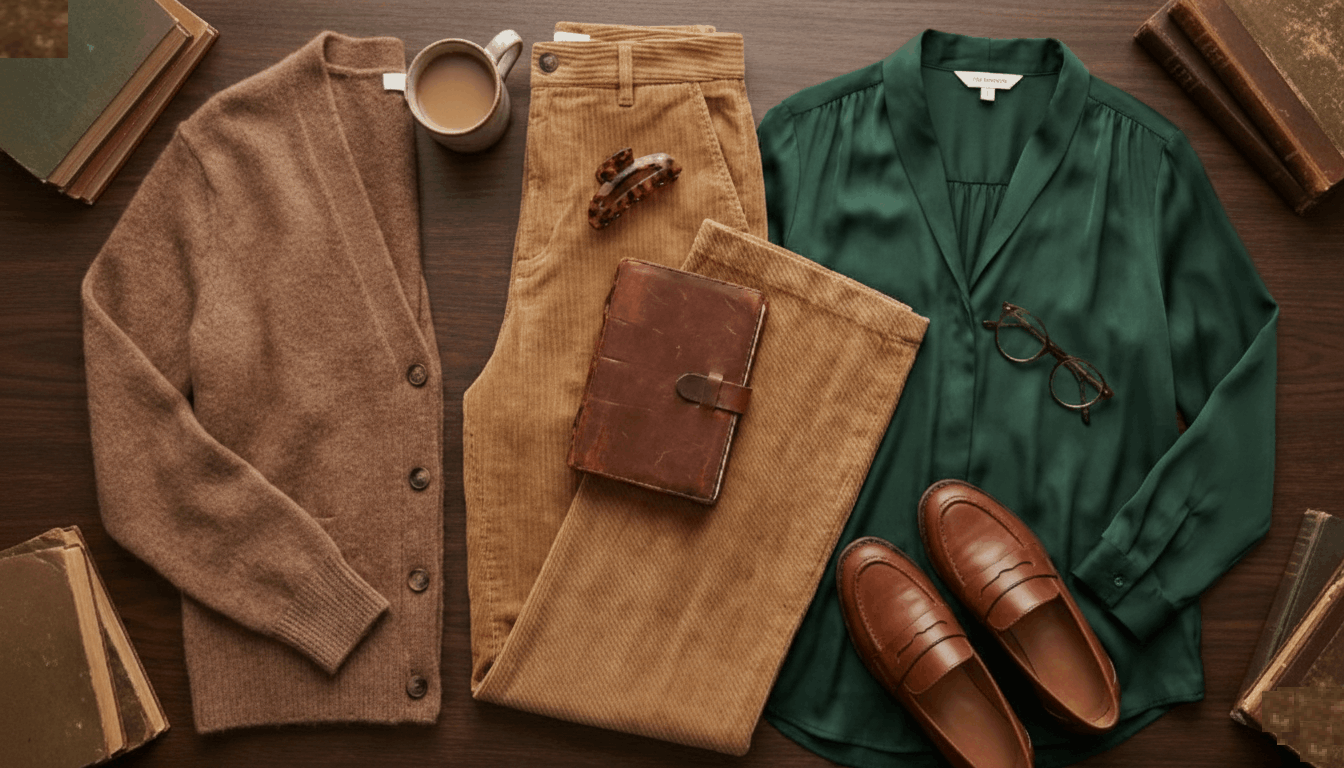
“The Cheat Fabrics” are the key to looking great without giving up comfort. These fabrics look like they come from the past, but they feel like high-end loungewear. You want fabrics with a matte finish that soak up light instead of reflecting it. This will keep the mood going.
If you like the look of tweed, try brushed cotton or moleskin instead. These fabrics have a thick, suede-like nap that looks like wool but feels soft against the skin. They have that important “dusty” academic color scheme without the roughness.
Corduroy is another strong choice. A fine-wale corduroy blazer has the same old-fashioned look as tweed, but it’s much softer and moves with the body. It fits perfectly between casual and formal.
- Instead of Rough Wool: Choose Merino Wool or Cashmere blends.
- Instead of Stiff Linen: Choose Tencel or Cupro for drape.
- Instead of Heavy Tweed: Choose Herringbone Cotton Flannel.
- Instead of Polyester Linings: Choose breathable Silk or Rayon.
For those looking to invest in high-quality basics that fit this criteria, [LINK: check out our guide to breathable heritage blazers that won’t make you sweat]. These pieces are curated specifically for the modern professional who values tactile luxury.
The Capsule Wardrobe: 5 Pieces You Actually Need
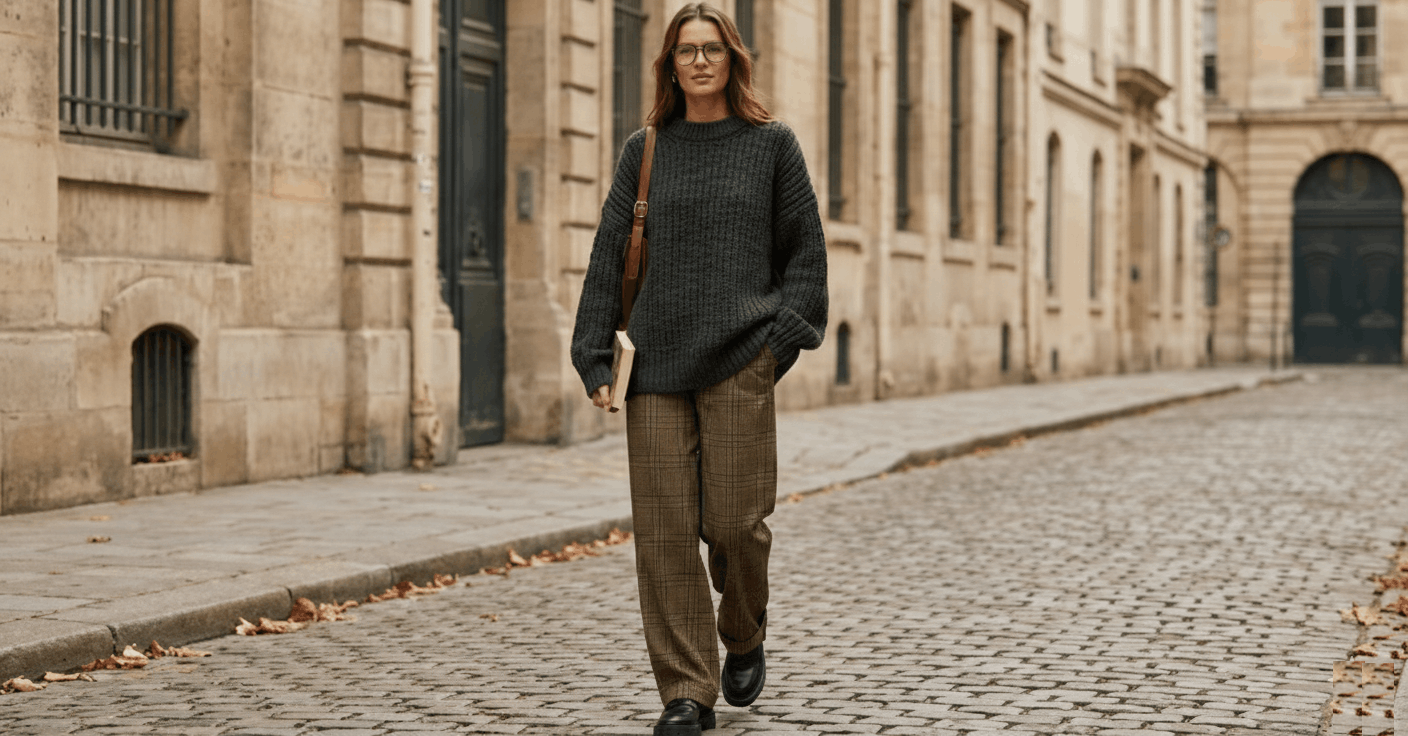
You do not need a closet full of costumes. You need a strategic rotation of high-quality staples. This approach saves decision fatigue and ensures you always look put-together.
- The “Unstructured” Blazer: Look for a blazer with soft shoulders and no lining. This piece should feel like a cardigan but look like a suit jacket. It allows for full range of motion, whether you are typing a manifesto or reaching for a latte.
- The Wide-Leg Trouser: Skinny silhouettes are out; volume is in. [LINK: Shop our top-rated wide-leg trousers] that offer a pleated, vintage silhouette with a hidden elastic waistband. This is the ultimate hack for sitting at a desk for eight hours.
- The Silk or Tencel Blouse: Replace stiff oxford shirts with fluid fabrics. A moody, dark floral or solid charcoal blouse adds a feminine touch to the masculine academic vibe and feels incredible against the skin.
- The Chunky Loafer: You need a shoe that grounds the outfit. [According to a study by the American Podiatric Medical Association], proper arch support is critical for daily wear, something vintage shoes often lack. Modern chunky loafers provide that “scholarly” look with sneaker-like soles.
- The Knit Vest: The ultimate layering piece. It adds color and texture without the restricting sleeves of a full sweater. Wear it over a turtleneck or a tee for instant academic credibility.
Styling for the Library and the Lounge

Styling this look requires a balance of structure and slouch. The “Comfortable Edit” relies on contrast. If you wear loose trousers, pair them with a fitted turtleneck to avoid looking like you are wearing pajamas.
Accessories are your best friends here. A leather satchel, a vintage watch, or wire-rimmed glasses can do 80% of the work in establishing the aesthetic. You can be wearing a simple black tee and comfortable trousers, but with the right accessories, it reads as “Dark Academia.”
Don’t forget the power of color. Stick to a strict palette of espresso, charcoal, forest green, and burgundy.
Monochrome dressing creates a seamless, elongated line. Wearing different shades of brown from head to toe is not only incredibly chic but also simplifies your morning routine.
- Layering: Use thin layers to trap heat without bulk.
- Tucking: The “French Tuck” adds shape to oversized knits.
- Rolling: Rolled sleeves show intention and readiness to work.
- Socks: High-quality wool socks are a hidden luxury.
The dream of the scholar’s life shouldn’t be a nightmare of discomfort. Dark Academia vs. Real Life: Why Tweeds Itch and What to Wear Instead (The Comfortable Edit) proves that you can command respect and inhabit your desired aesthetic without suffering for it.
By choosing smart fabrics like moleskin and merino, prioritizing fit, and focusing on key accessories, you build a wardrobe that supports your intellect rather than distracting from it. Style is a tool for self-expression, not a cage.