
How to Transition Summer Maxis to Fall (Modest Guide 2026)
By Fashiorial
Every lover of modest fashion knows that there is a specific, bittersweet moment. It usually happens in the last week of September or the first week of October. You are standing in front of your closet with a cup of coffee in hand, looking at all the chiffon, linen, and lightweight cotton that made up your summer wardrobe.
The air in the morning has changed. The heavy, humid heat has been replaced by a cool, sharp breeze that whispers of pumpkin spice and falling leaves. Your hand brushes against the hem of your favorite floral maxi dress, the one that made you feel like you were floating, covered, and free for the last three months. You reach for it without thinking, but then you pull back.
You think, “I can’t.” “It’s too cold.” It’s done.
The fashion industry told us for years that there were only two kinds of clothes. There were clothes for summer and clothes for winter, and they never met. We were told to put our favorite maxis in vacuum-sealed bags and get ready for six months of heavy denim and shapeless wool.
But we at Fashiorial don’t agree with that. We believe that modesty is not seasonal, and neither is style. The maxi dress isn’t just for summer; it’s a year-round commitment.
The secret isn’t to buy a whole new wardrobe. It is learning how to use The Layering Equation. This isn’t just about putting a cardigan over a dress; it’s a way of styling that takes into account warmth, texture, and shape.
We are going deep in this final guide. We’re going to put an end to the idea that summer dresses die in October. We will look into the science of insulation, the shape of boots, and the art of the modest silhouette.
Get your tea. Let’s take back your closet.
Chapter 1: The Philosophy of the Trans-Seasonal Wardrobe
We need to change the way we think before we touch any fabric. It’s not the wardrobe with the most clothes that costs a billion dollars; it’s the one that is most useful.
The maxi dress is a safe place for the modest woman. It gives us the coverage we want without having to worry about matching the hems of the top and bottom. It’s a one-time fix. It is a functional tragedy to lose that ease for half of the year.
When we ask “How to wear maxi dresses in fall winter,” what we really mean is “How do I stay true to my modest style when the weather is against me?”
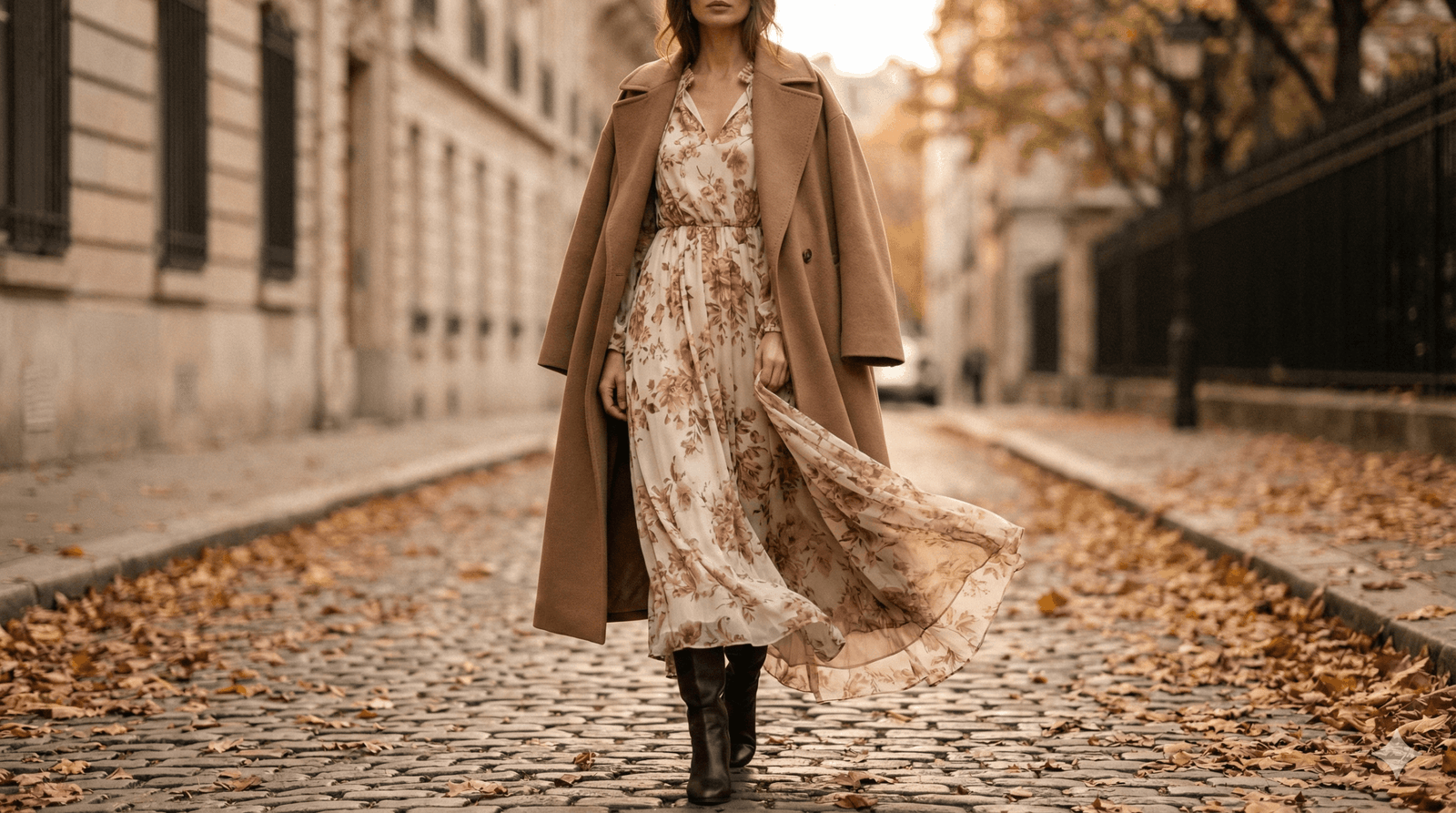
The answer is to think of your summer maxi as a canvas instead of an outfit. The dress was the main attraction in July. In November, the dress becomes the texture, the pop of print, and the soft, feminine look that stands out against the roughness of winter clothes.
The Three Pillars of The Layering Equation
To successfully execute this transition, every outfit must satisfy three conditions:
- Thermal Integrity: You cannot look stylish if you are shivering. The base must be functional.
- Visual Balance: Bulky winter layers can swallow a figure. We must maintain proportion.
- Cohesive Aesthetics: The transition from light summer fabrics to heavy winter wools must look intentional, not accidental.
Chapter 2: The Foundation – What Lies Beneath
The biggest mistake people make when trying to wear summer dresses in winter is focusing entirely on what goes over the dress. The battle for warmth is actually won under the dress.
Because modest fashion inherently involves more fabric coverage, we have a secret weapon: we have room for stealth layers that nobody sees.
1. The Science of Thermal Leggings
Forget standard cotton leggings. If you are wearing a floaty chiffon maxi in 40-degree weather, cotton will do nothing but hold moisture against your skin. You need technology.
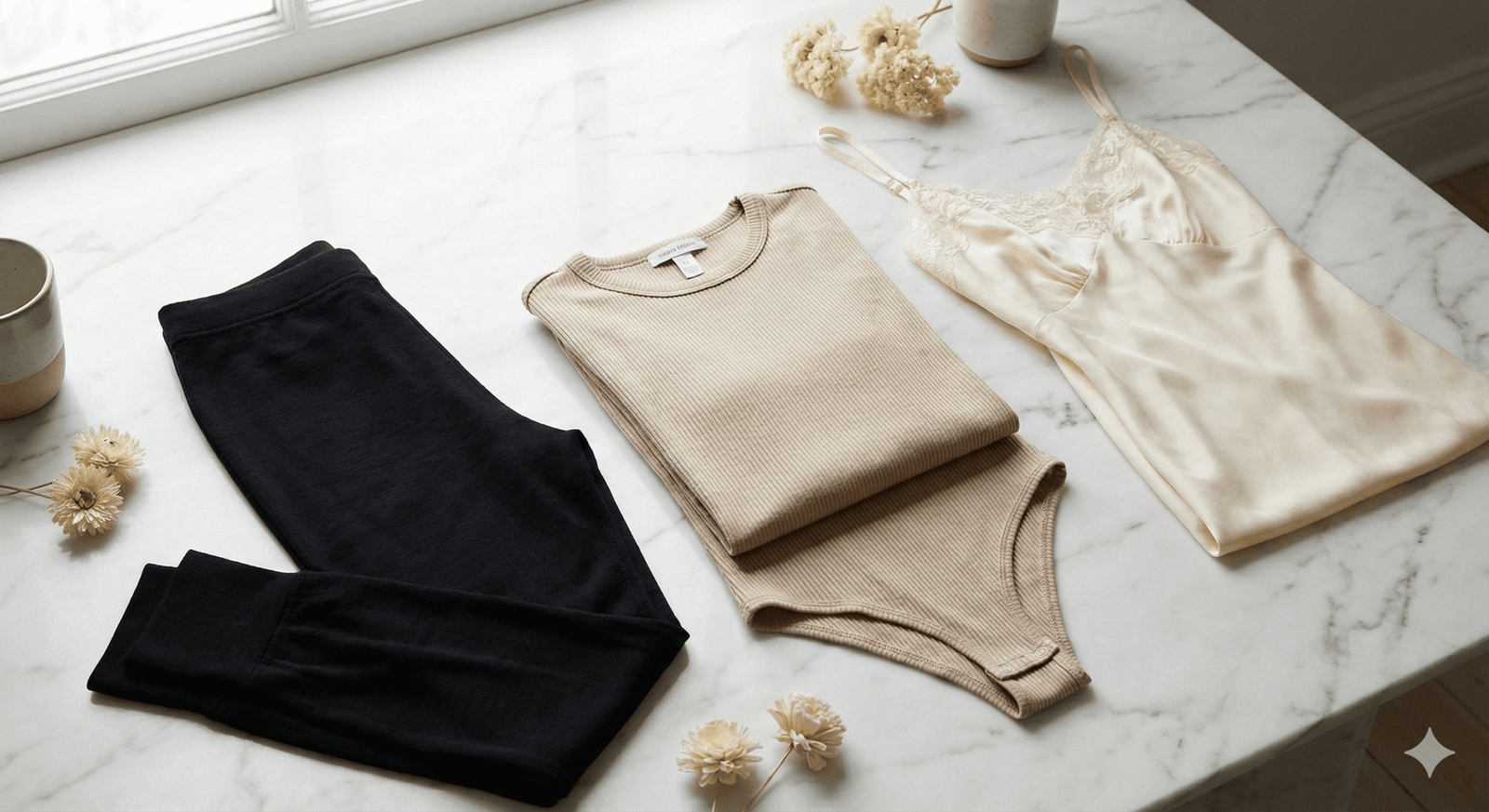
- Merino Wool Base: Invest in 100% merino wool leggings. They are thinner than cotton, temperature-regulating, and antimicrobial. They create a microclimate around your legs that allows you to wear a thin skirt without feeling the bite of the wind.
- Fleece-Lined Tights: This is the viral trend that is actually worth the hype. These look like sheer black pantyhose on the outside but are lined with beige fleece on the inside. They give the illusion of skin (if your maxi has a slit or is slightly sheer) while providing the warmth of sweatpants.
2. The Bodysuit Advantage
When you layer a maxi dress, you don’t want the waist to “bunch.” If you tuck a thick thermal shirt into tights, your midsection will look lumpy.
The thermal bodysuit is here. A long-sleeved bodysuit in nude or black fits snugly against the cold. It keeps your core, which is the most important part of keeping your body warm, safe without ruining the dress’s line.
3. The Slip Dress (The Forgotten Hero)
A lot of the time, summer dresses don’t have linings. Static electricity is bad in the winter. When tights rub against unlined polyester or cotton, they cling to the body and change the shape of the silhouette, making the legs look bad.
You have to have an anti-static slip that looks like it came from the past. It adds a layer of air (insulation) and makes sure that the dress slides over your thick winter tights instead of sticking to them.
Chapter 3: The Upper Echelon – Tops Over Dresses
This is where the styling begins. How do we place warm layers over a maxi dress without looking like we got dressed in the dark?
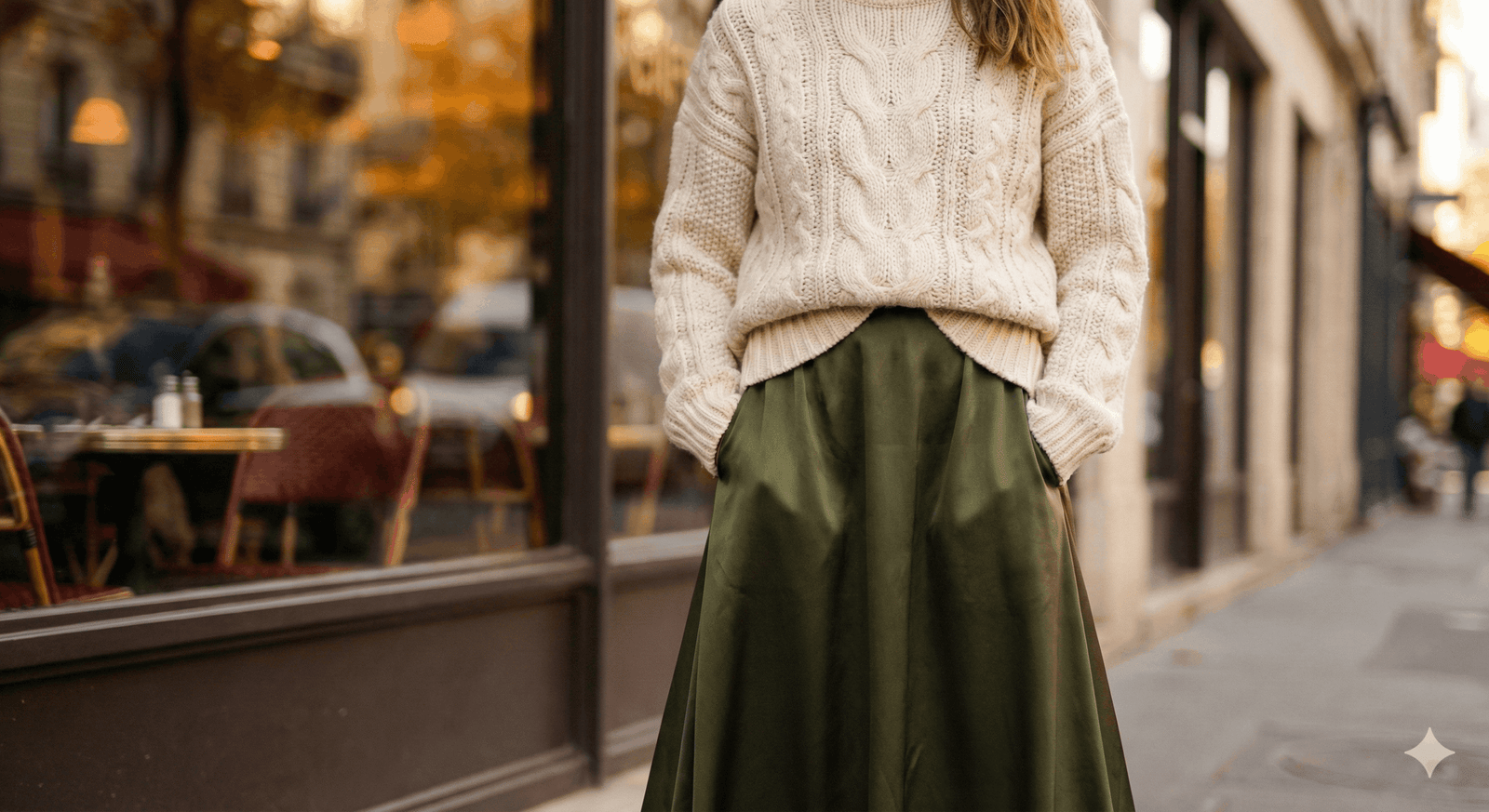
The Chunky Knit Pullover
This is the quintessential “Pinterest” fall look, but it is harder to execute than it looks. The danger is looking boxy.
The Technique: If you pull a long, heavy sweater over a maxi dress, you cut your body into two shapeless blocks. You lose your waist entirely.
- The Belt Tuck Hack: Put a thin belt over your dress at your natural waist. Put the sweater on. Pull the hem of the sweater up and tuck it under the belt, letting the fabric blouse over. This crops the sweater to your waistline without bulky folding, preserving the leg-lengthening effect of the maxi skirt.
The Turtleneck Underlayer
For sleeveless or slip-style maxi dresses, the 90s revival is your best friend. A tight, ribbed turtleneck worn under the dress transforms a summer strap dress into a chic pinafore style.
- Fabric Choice: Stick to modal, bamboo, or fine-gauge merino wool. You want the under-layer to be like a second skin. Chunky cable knits do not work under dresses; they will stretch the dress seams and look lumpy.
The “Shacket” (Shirt Jacket)
For a more casual, modest street-style vibe, the plaid shacket is fantastic. It adds structure.
- Pro Tip: Because shackets are boxy, ensure your maxi dress is more fitted or straight-cut. If you wear a boxy shacket over a voluminous tiered tent dress, the volume becomes overwhelming. Contrast is key: Loose over fitted, or fitted over loose.

Chapter 4: Outerwear Architecture
Your coat is the first thing people see. When pairing coats with floor-length dresses, length chicken is the game we play.
The Cropped Biker/Leather Jacket
This is the “Fashiorial” favorite. The toughness of leather (or faux leather) creates a stunning juxtaposition with the softness of a floral summer maxi.
- Why it works: A jacket that hits at the high hip emphasizes the waist. It breaks up the vertical line of the dress, making you look taller. It adds an “edge” that takes the dress from “garden party” to “city sleek.”
The Trench Coat
The classic beige trench is the perfect weight for the transition months (September/October).
- The Rule of Length: Ideally, your trench should be either significantly shorter than the dress (showing 6+ inches of skirt) or longer than the dress. The awkward zone is when the coat and dress hem are fighting for dominance at the exact same ankle spot.
The Wool Camel Coat
For deep winter, a tailored wool coat is essential.
- Styling Note: Drape the coat over your shoulders (the “editor drape”) for photos or walking short distances. It elevates the look instantly and allows the print of the dress to peek through the center front.
Chapter 5: Footwear Dynamics – The Make or Break
This is the most critical section for SEO and styling. You can have the perfect layers, but if the shoe is wrong, the look fails. The question of “how to wear maxi dresses in fall winter” is usually a question of “what shoes do I wear?”
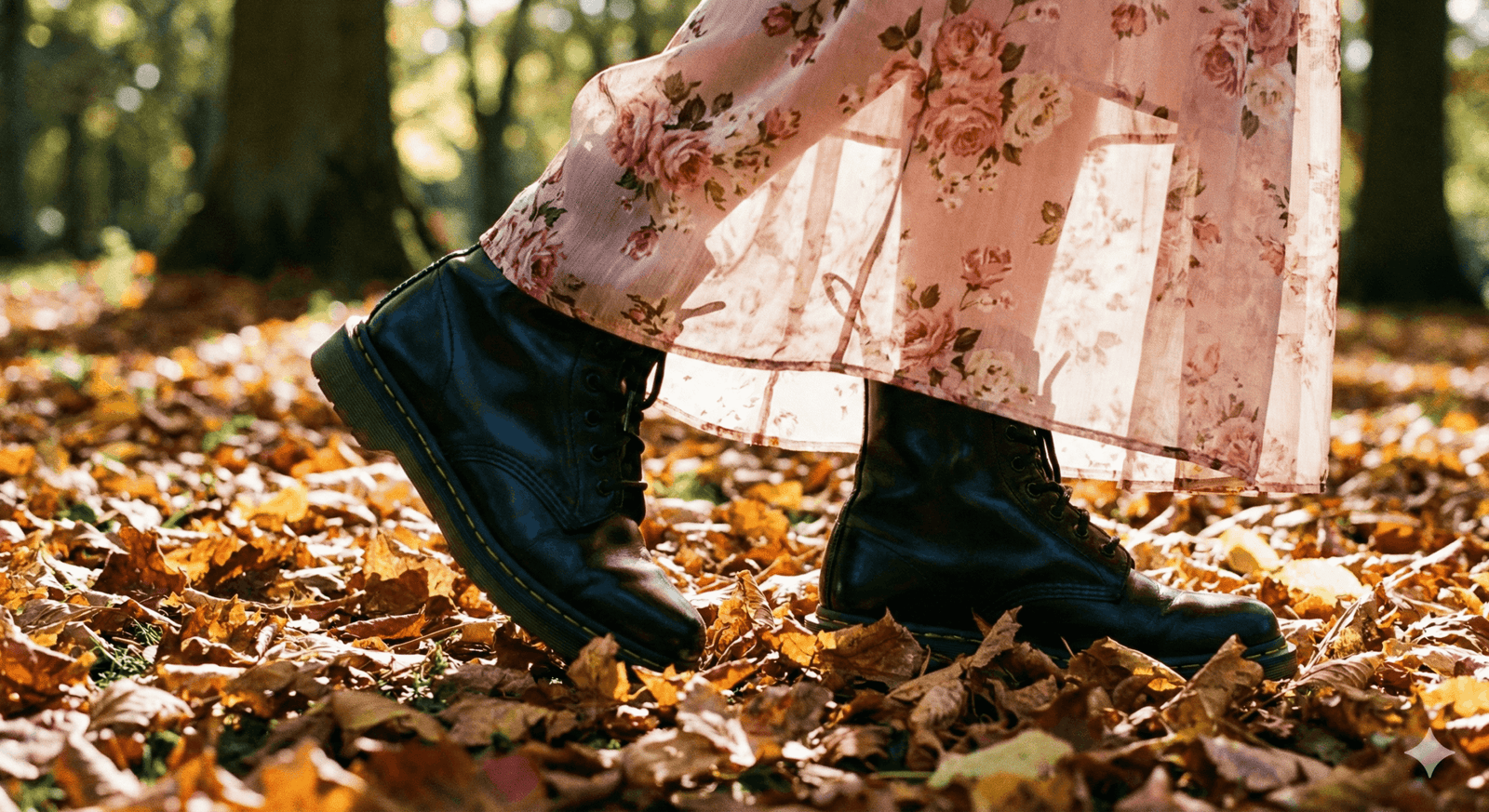
The Combat Boot (Doc Martens style)
Vibe: Grunge, Utilitarian, Youthful. This is the easiest way to winterize a feminine dress. The heavy, lug sole grounds the floaty fabric.
- Modesty Check: Combat boots are practical for rain and slush. They signal that you are ready for the elements.
- Styling: Ensure the dress hem falls over the top of the boot. You don’t want a gap of skin showing between the boot top and the dress hem in winter—it looks visually cold.
The Knee-High Leather Boot
Vibe: Elegant, High-Fashion, “Old Money.” This is the sophisticated choice. Wearing a tall, structured leather boot under a maxi dress provides an extra layer of warmth for your calves (wind protection!).
- The Silhouette: Look for a boot with a slim shaft. If the boot is too slouchy, it will push the dress fabric out and create a weird shape at the shin.
- Texture Play: Pair a suede boot with a silk dress, or a patent leather boot with a cotton dress. The clash of textures looks expensive.
The Ankle Bootie (Pointed Toe)
Vibe: Office appropriate, Sharp.
- The Problem: Ankle boots often cut the leg off at the ankle.
- The Solution: Match the color of your tights to the boot. If you have black boots, wear black opaque tights. This creates a continuous line from toe to waist (under the dress), elongating the leg even if the dress hem rises up when you sit.
Sneakers?
In early fall, yes. A crisp white sneaker with a maxi dress is a classic transition look. But once the snow hits, retire the sneakers. Wet canvas is not chic.
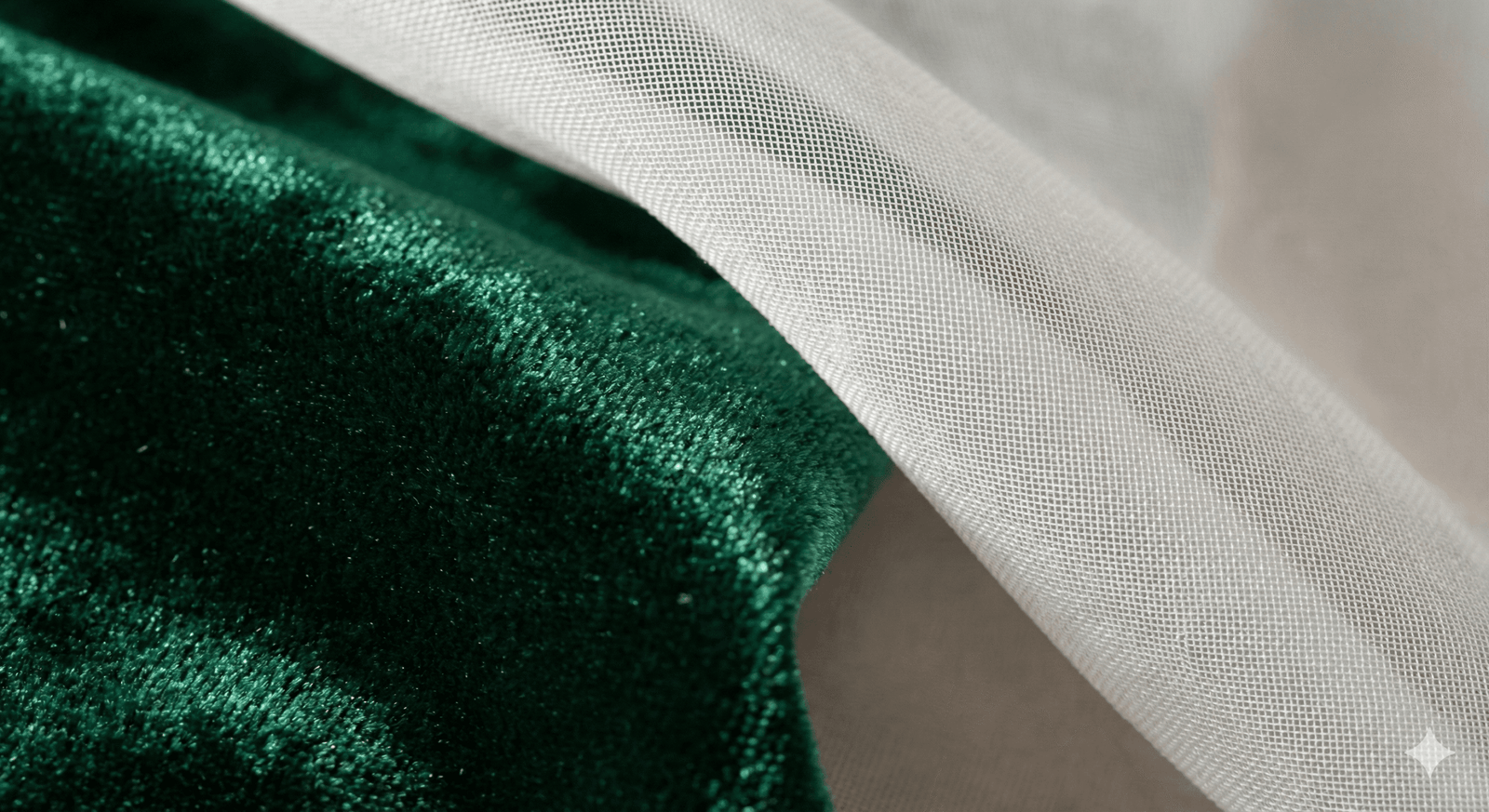
Chapter 6: Fabric Science – Mixing Summer and Winter Materials
A huge part of the “Billion Dollar” look is understanding how light interacts with fabric. Summer fabrics absorb light differently than winter fabrics.
Chiffon and Velvet
If you have a chiffon floral maxi, pair it with a velvet blazer or velvet headband. The deep, light-absorbing richness of velvet anchors the airy, light-reflecting quality of chiffon.
Linen and Chunky Wool
Linen is notoriously summery because of its wrinkles and weave. To wear linen in October, you must overwhelm it with “cozy.” A massive, oatmeal-colored cable knit cardigan over a linen dress works because the color palettes (usually earth tones) align, even if the textures conflict.
Satin and Faux Fur
A satin slip dress maxi is the ultimate holiday party staple. Throw a faux fur stole or cropped jacket over it. The slickness of the satin against the fluff of the fur is tactile perfection.

Chapter 7: The Accessory Edit
Accessories are the punctuation marks of your outfit. In winter, they are also functional necessities.
Scarves: The Volume Dial
A scarf can change the entire season of a dress.
- The Blanket Scarf: Take a lightweight summer maxi. Add a massive, plaid blanket scarf wrapped continuously around the neck. Suddenly, the dress feels like a skirt, and the focus moves to your face and the cozy warmth.
- Silk Neck Scarf: For a more subtle transition, tie a silk scarf tightly around the neck. It covers the décolletage (modesty bonus) and seals the gap where cold air enters.
Belts: Reclaiming the Waist
When you layer a cardigan, a coat, and a scarf, you can look like a walking pile of laundry.
- The Corset Belt: A wide leather belt or corset-style belt worn over your cardigan or blazer cinches everything back in. It says, “I am wearing these layers; these layers are not wearing me.”
Headwear
- The Beret: Pairs beautifully with maxi dresses for a romantic, Parisian look.
- The Beanie: dresses down the look. Use this only with the combat boot pairing. A beanie with heels and a maxi dress sends mixed signals.

Chapter 8: Color Theory for the Transition
You can wear the same dress, but if you change the color palette of the accessories, you change the season.
The “Summer” Palette
Bright yellows, sky blues, hot pinks. How to Winterize: You need to “ground” these colors.
- Yellow Dress: Pair with dark chocolate brown boots and a brown leather jacket. The brown deepens the yellow into a mustard/autumn vibe.
- Pink Dress: Pair with charcoal grey or deep burgundy. Avoid pairing pink with white in winter (looks too Easter). Pair it with dark neutrals.
The “Fall” Injection
If your dress is white or cream, you are a blank canvas. Introduce autumnal tones through your layers:
- Burnt Orange cardigans.
- Olive Green military jackets.
- Plum/Aubergine scarves.
By surrounding a white summer dress with deep, rich earth tones, the white stops looking “beachy” and starts looking like “winter white” or “snow.”

Chapter 9: Four “Copy-Paste” Lookbooks
Here are four specific formulas you can copy right now using the Fashiorial method.
Look 1: The “Pumpkin Patch” Weekend
- The Dress: A tiered, floral cotton maxi dress (white base with small flowers).
- The Base: Fleece-lined nude tights.
- The Top Layer: An oversized denim jacket or a chunky cream cardigan.
- The Shoes: Brown leather lace-up combat boots.
- The Accessory: A rust-colored beanie and a canvas tote bag.
- Why it works: It’s casual, rugged, and modest. The boots handle the mud; the layers handle the chill.
Look 2: The “Corporate Creative” Office Look
- The Dress: A solid colored slip dress or button-down shirt dress.
- The Base: Black merino wool tights and a black fitted turtleneck under the dress.
- The Top Layer: A sharp, oversized menswear blazer in a plaid or houndstooth pattern.
- The Shoes: Black pointed-toe sock boots (heeled).
- The Accessory: A structured leather handbag and gold hoop earrings.
- Why it works: The turtleneck and blazer make the dress professional. The boots keep it sleek.
Look 3: The “City Stroll” Coffee Date
- The Dress: A polka dot or geometric print maxi.
- The Base: Thermal bodysuit.
- The Top Layer: A cropped leather biker jacket (black).
- The Shoes: Clean white high-top sneakers (early fall) or black chunky Chelsea boots (late fall).
- The Accessory: A red lip and a black cross-body bag.
- Why it works: High contrast. The leather jacket toughens up the print.
Look 4: The “Winter Wedding” Guest
- The Dress: A silk or satin maxi in a jewel tone (emerald, navy, or ruby).
- The Base: Skims or Spanx layering shorts for warmth.
- The Top Layer: A faux fur shawl or a velvet bolero jacket.
- The Shoes: Closed-toe velvet block heels.
- The Accessory: Sparkly statement earrings and a clutch.
- Why it works: Texture luxury. Velvet and satin scream “winter opulence.”
Chapter 10: Care and Maintenance
Winter is harsh on clothes. Summer fabrics are delicate. Mixing them requires caution.
- Waterproofing: If your maxi dress touches the ground, the hem will get wet and dirty in winter.
- The Hack: Hem tape. For winter, consider temporarily hemming your maxis up by 1 inch using removable hem tape so they clear the slush.
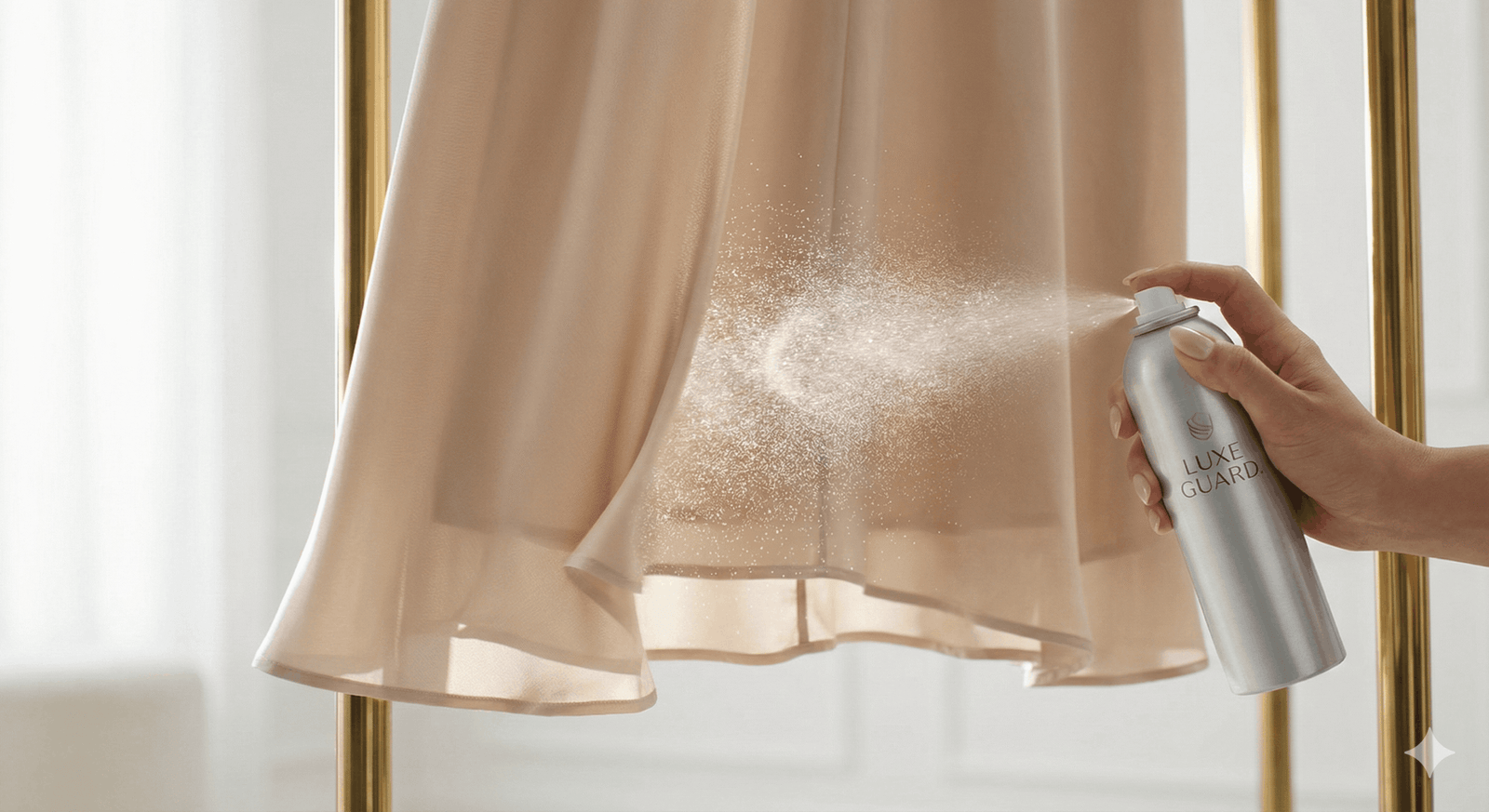
- Fabric Spray: Spray the bottom 6 inches of your dress with a fabric protector (like Scotchgard) to repel water and mud.
- Static Control: We mentioned the slip, but carry a travel-size static guard spray in your bag. The dry heat of indoor heating systems creates static clinging that can ruin a modest look by clinging to legs.
- Salt Stains: If salt splashes onto a silk or rayon dress, it can stain permanently. Wipe it immediately with a damp cloth with a drop of vinegar.
The Financial Logic of the “HQ” Wardrobe
Why do we call this approach “High Quality” work? Because it saves you money while making you look like you spent a fortune.
The average consumer buys a summer wardrobe and a winter wardrobe. They utilize 50% of their closet at any given time. The Fashiorial woman utilizes 100% of her closet, 100% of the time.
By investing in high-quality “bridge” pieces (the leather jacket, the perfect boots, the thermal layers), you double the ROI (Return on Investment) of every summer dress you own. You are not just being stylish; you are being smart. You are operating with an abundance mindset.
Embrace the Seasonless Style
No more staring at your closet in October and wishing you had your maxi dresses back. Your style doesn’t have to change with the seasons.
Changing your summer maxi into a fall outfit is more than just staying warm; it’s also a way to be creative. It’s all about the shape, texture, and layers. You can take the pieces you love the most with you into the dark months. These are the ones that make you feel beautiful and covered.
So, go ahead. Take out that chiffon dress with flowers on it. Put on your biggest boots. Put on that wool. The leaves are falling, but your style is getting better.
This is the Fashiorial way.
Quick Recap: Your Fall Transition Checklist
- [ ] Base Layers: Acquired merino tights and bodysuit.
- [ ] Boots: Polished and waterproofed.
- [ ] Knits: Belts ready for the “sweater tuck.”
- [ ] Mindset: Ready to mix textures like a pro.
Frequently Asked Questions
Q: Can I wear a white maxi dress in winter? A: Absolutely. The “no white after Labor Day” rule is dead. Pair your white maxi with camel, cognac leather, and cream knits for a luxurious “Winter White” monochromatic look.
Q: How do I stop my dress from dragging in the snow? A: High-heeled boots help, but the best solution is to knot the dress hem on one side (a stylish gathered look) or use a belt to blouse the dress up at the waist, effectively shortening the hem by an inch or two.
Q: Is it modest to wear leggings under a dress? A: Yes! It is actually more modest. It ensures that if the wind blows or you are walking up stairs, you are fully covered. It allows you to move with confidence.
Q: What if my maxi dress has spaghetti straps? A: Treat it like a vest or a jumper. Layer a fitted long-sleeve top underneath. This is a very trendy 90s-inspired look that is completely modest friendly.